We departed Ottawa in poring rain, and it got worse as we ventured east into Quebec. The tail end of Hurricane Ida was dropping biblical amounts of rain on “le belle province”, so we skipped right through to New Brunswick in a day. Now that we had arrived in the Maritimes, we slowed our pace as we rimmed the Acadian coast in the direction of PEI. We purposely missed the southern coast of the province as we intend to see it after our visit to Nova Scotia on our way to the USA. We were blessed with awesome weather all the way through We travelled through Campbellton, Bathurst, Mirimachi and Shediac, a whirlwind trip for certain.




PEI
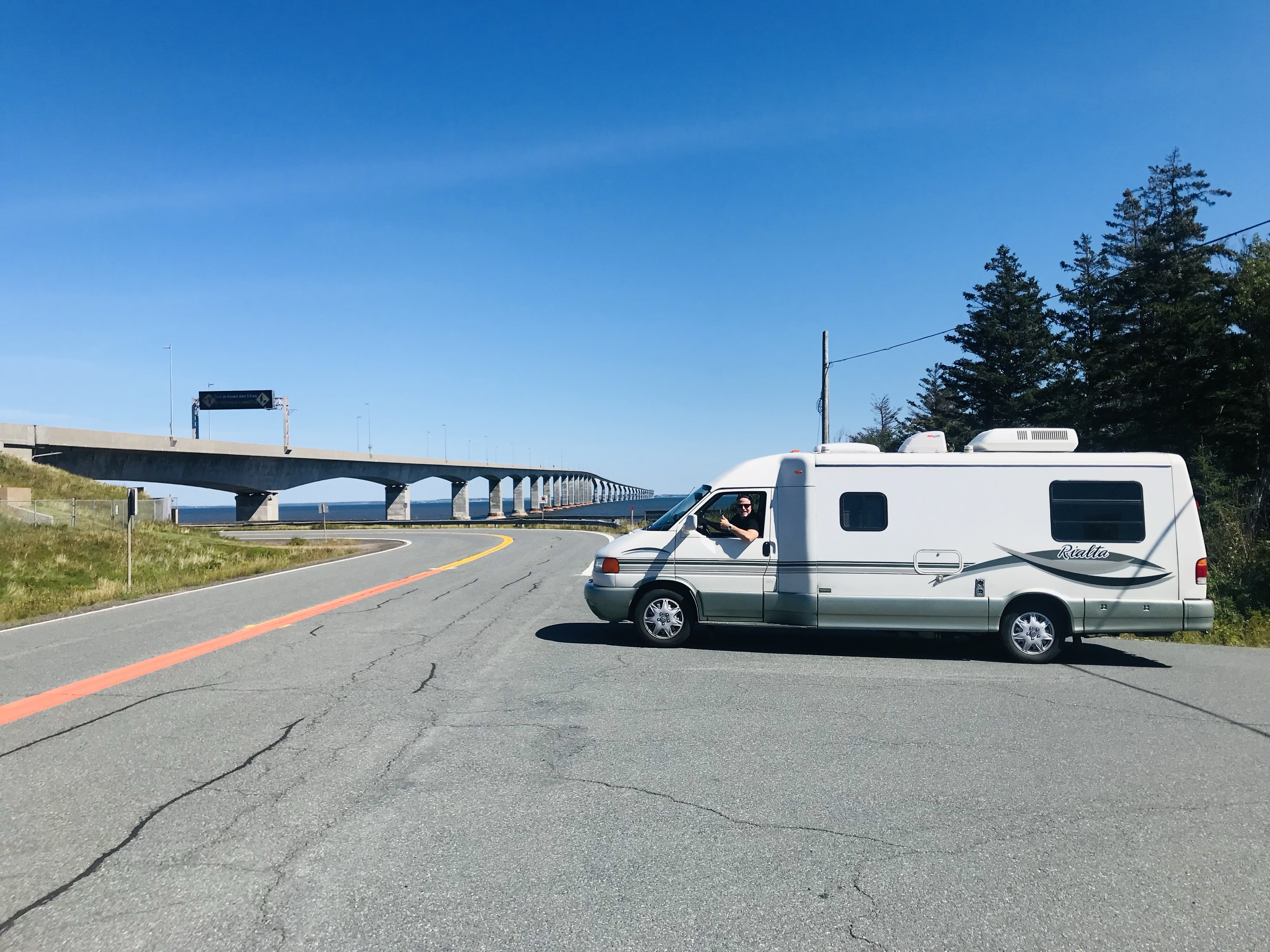
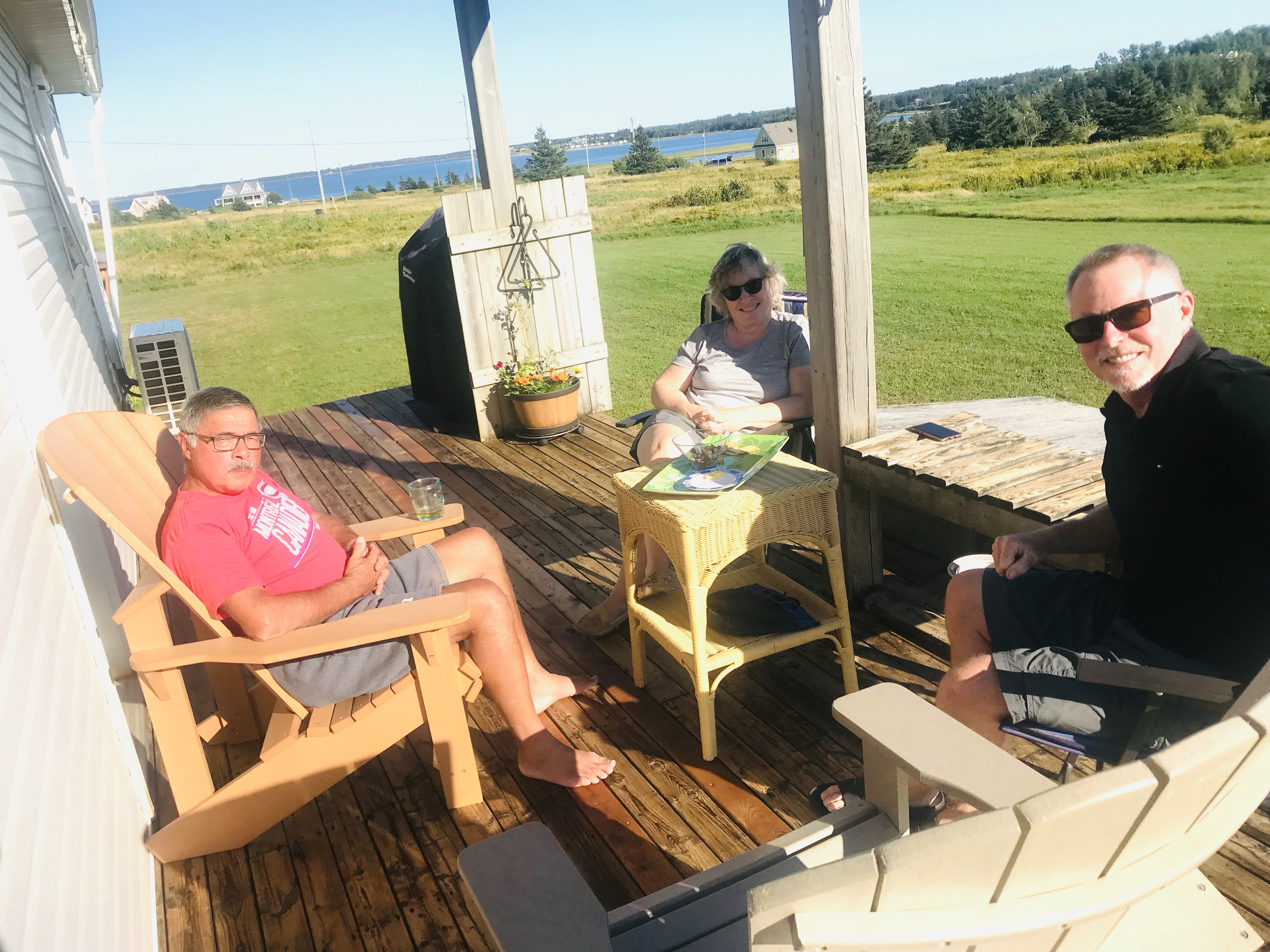
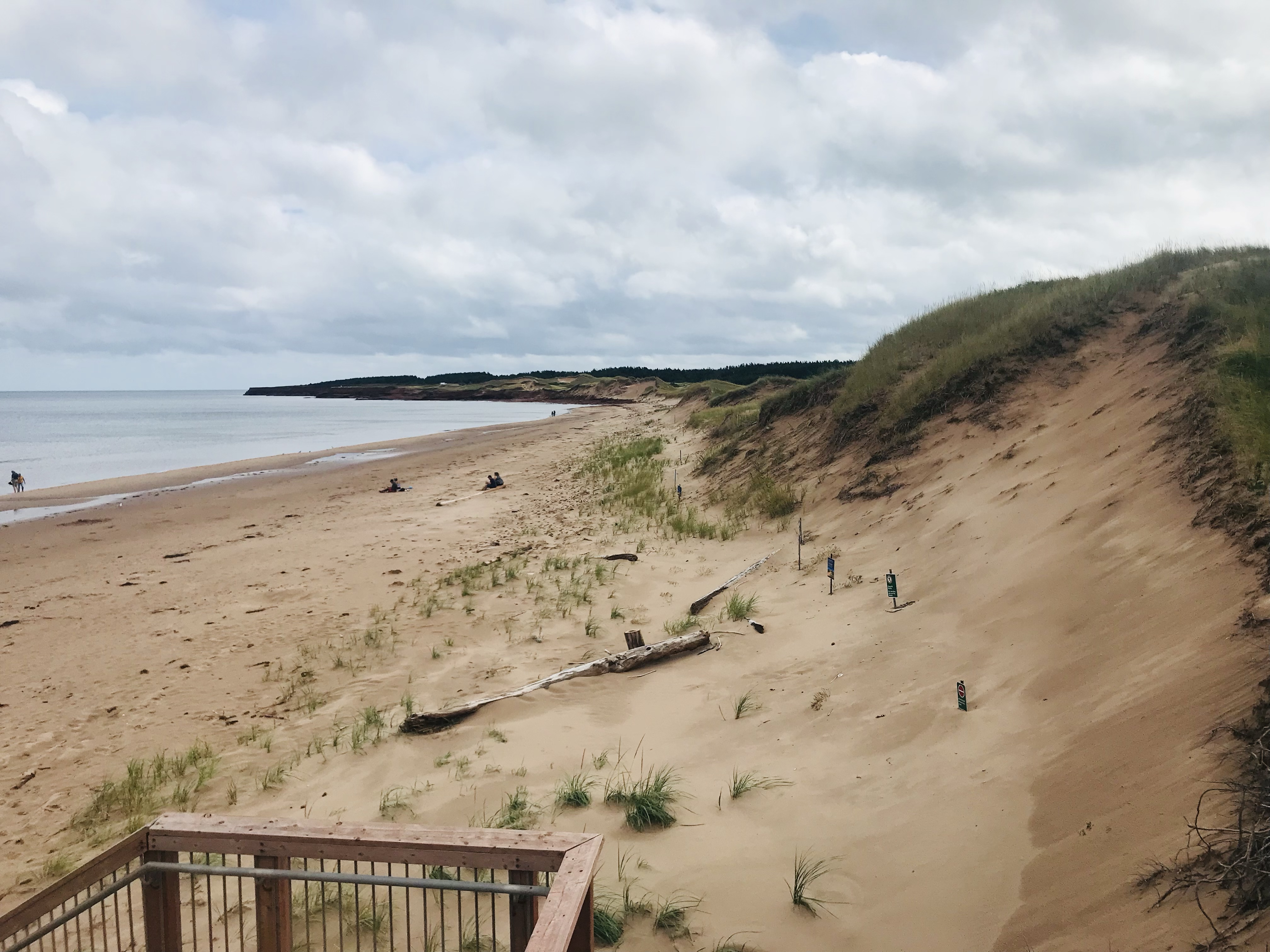
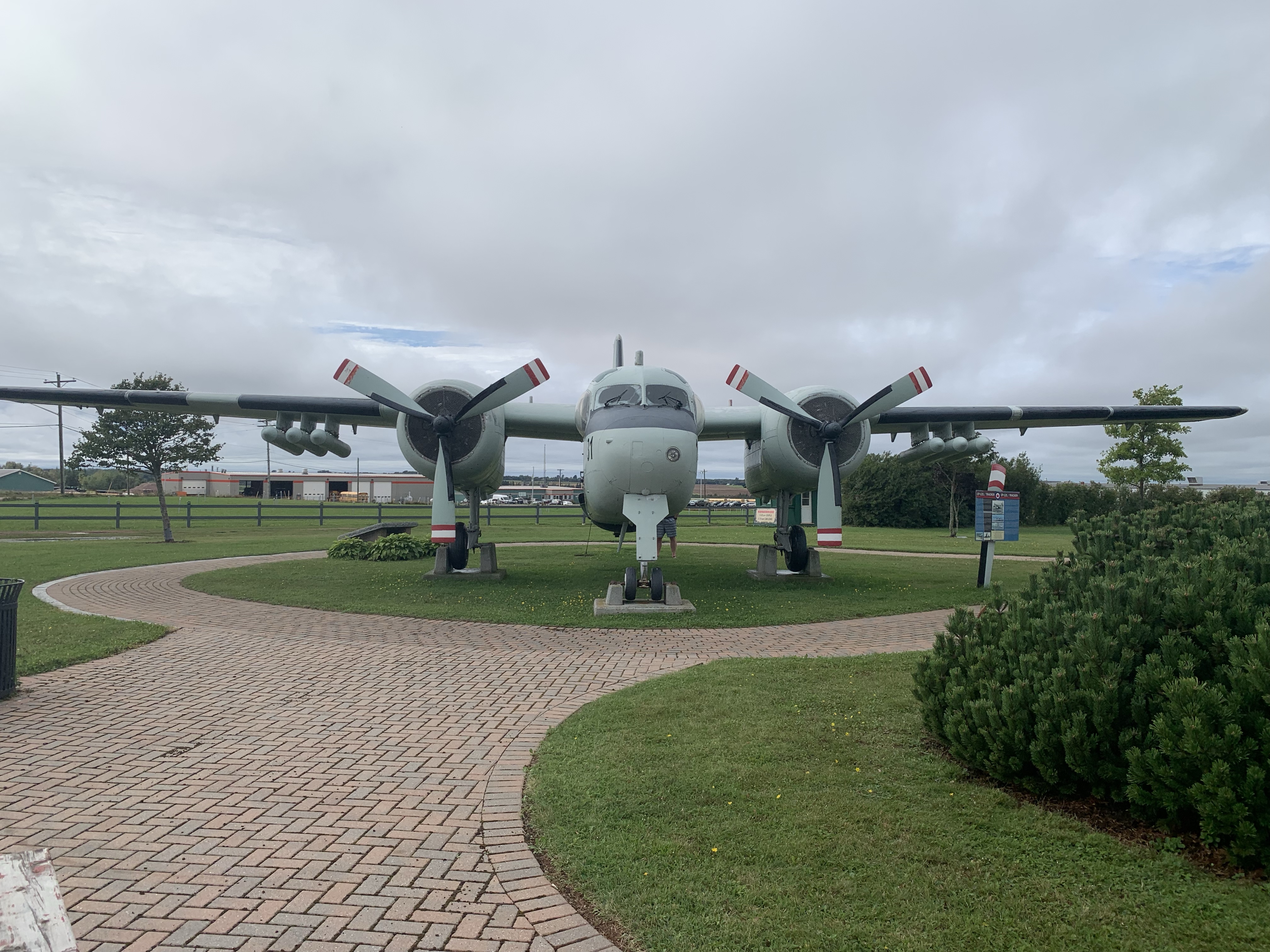
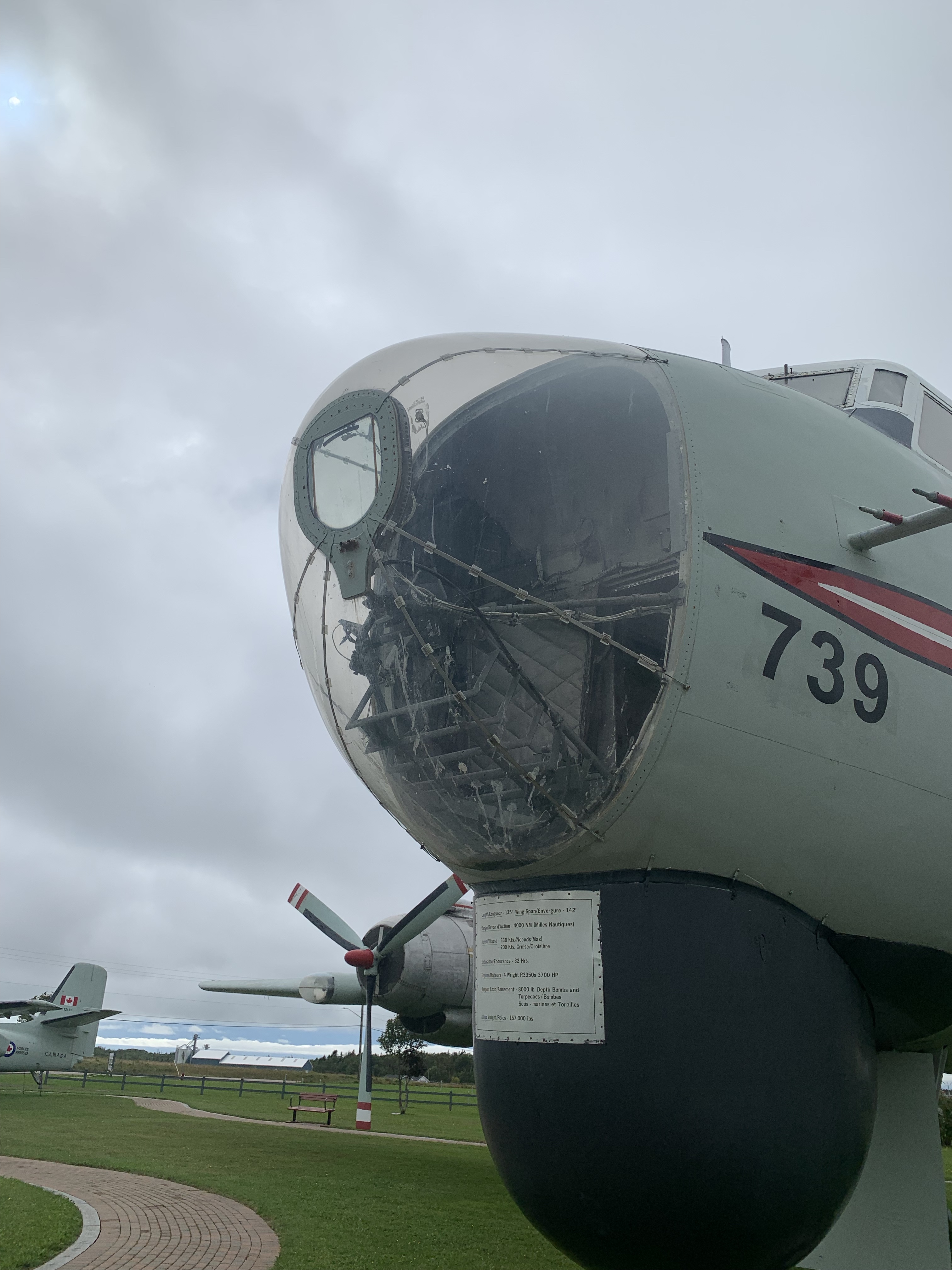
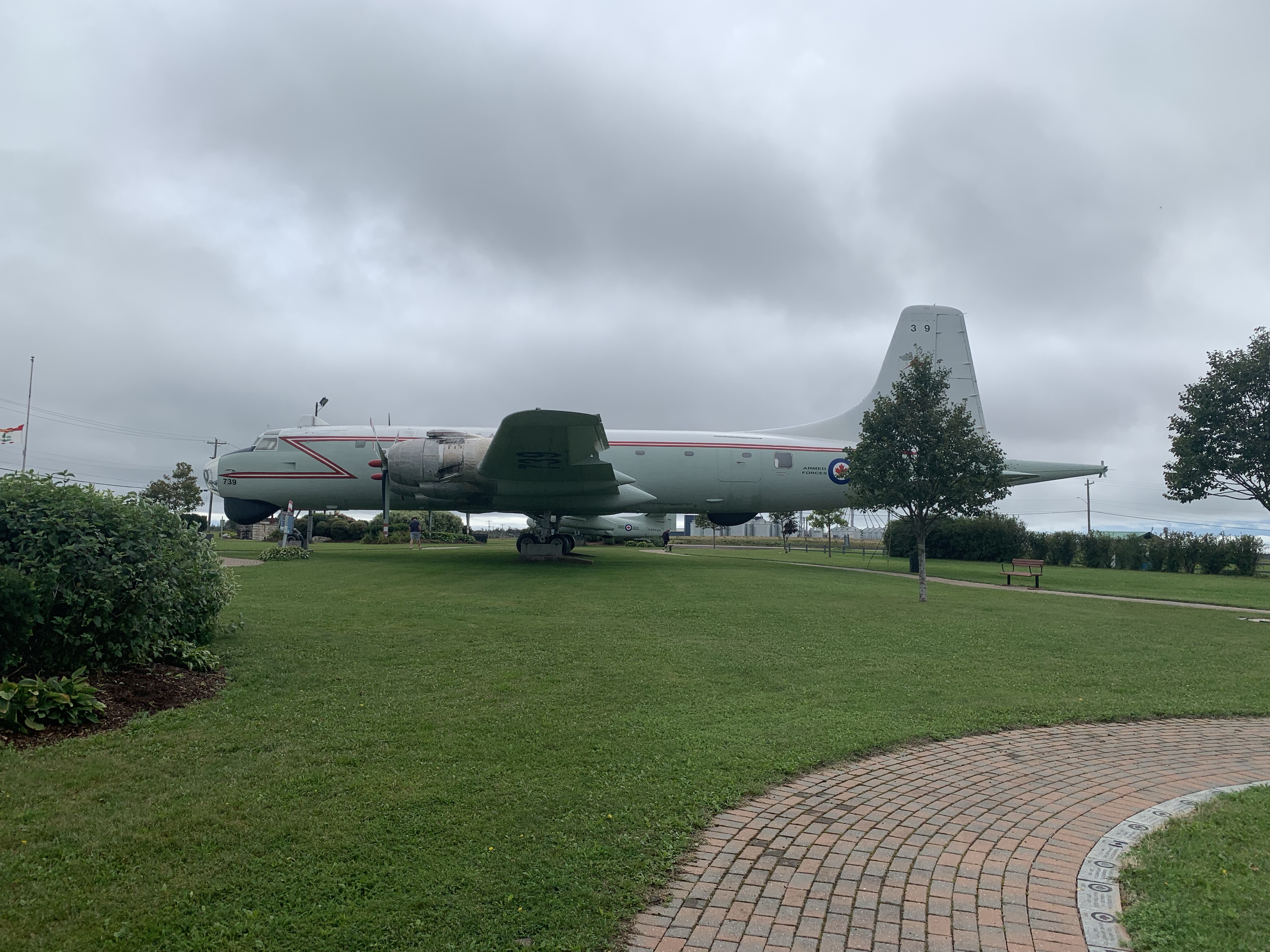
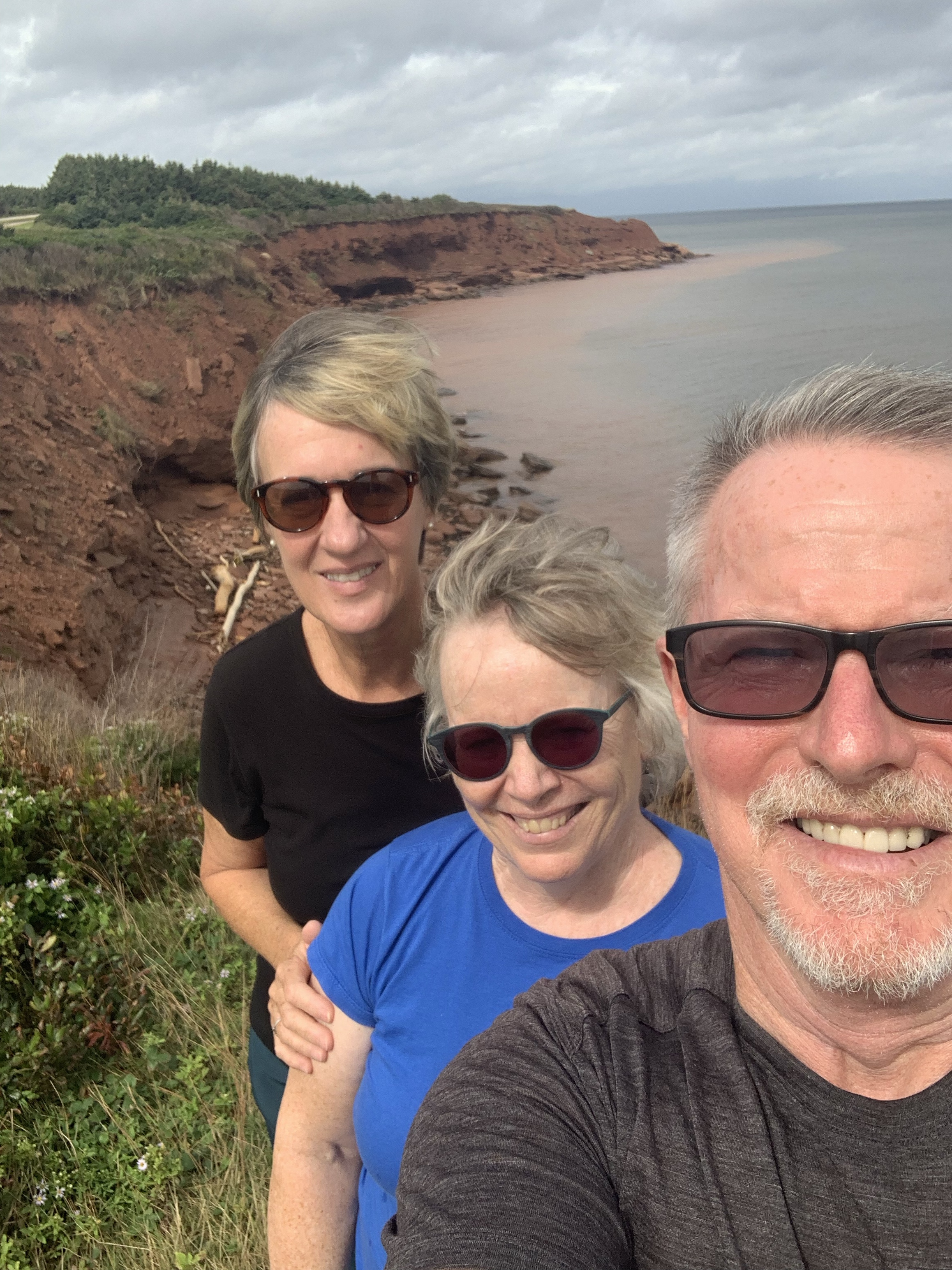
Our trip to PEI served one purpose, to visit Heidi’s relatives. We had done a proper job of exploring PEI about 12 years ago with Sarah and Annie and felt, with time slipping away, that it was unnecessary to retrace steps. Heidi’s paternal grandmother hailed from here and that side of the family still runs the place. All kidding aside we were excited to see the Mellish clan and stay with Paula and John at their summer cottage in North Rustico on the north coast. We initially believed the stay would be three nights, with one big family get together to ensure we saw all the relatives in our short stay. As is turned out Hurricane Larry put a kink in our plans to push on to Newfoundland, so we enjoyed additional days on PEI, with Paula and John giving us a grand tour of the parts of the island we had not discovered when last in PEI. I had forgotten just how pastoral the landscape on PEI, Paula and John served as the consummate ambassadors for their island home. One of our stop was the old airforce base in Summerside where my dad and the family were based for a time. Not much left, the staff housing is a subdivision now and there is a small park with a few old airplanes to commemorate the base.





Newfoundland
For those who hadn’t heard, we crossed Canada with the expressed purpose of spending 6-8 weeks discovering Newfoundland and Nova Scotia. The fun and adventures we had crossing Canada was a secondary benefit to our primary objective, to experience these two Maritime provinces thoroughly.
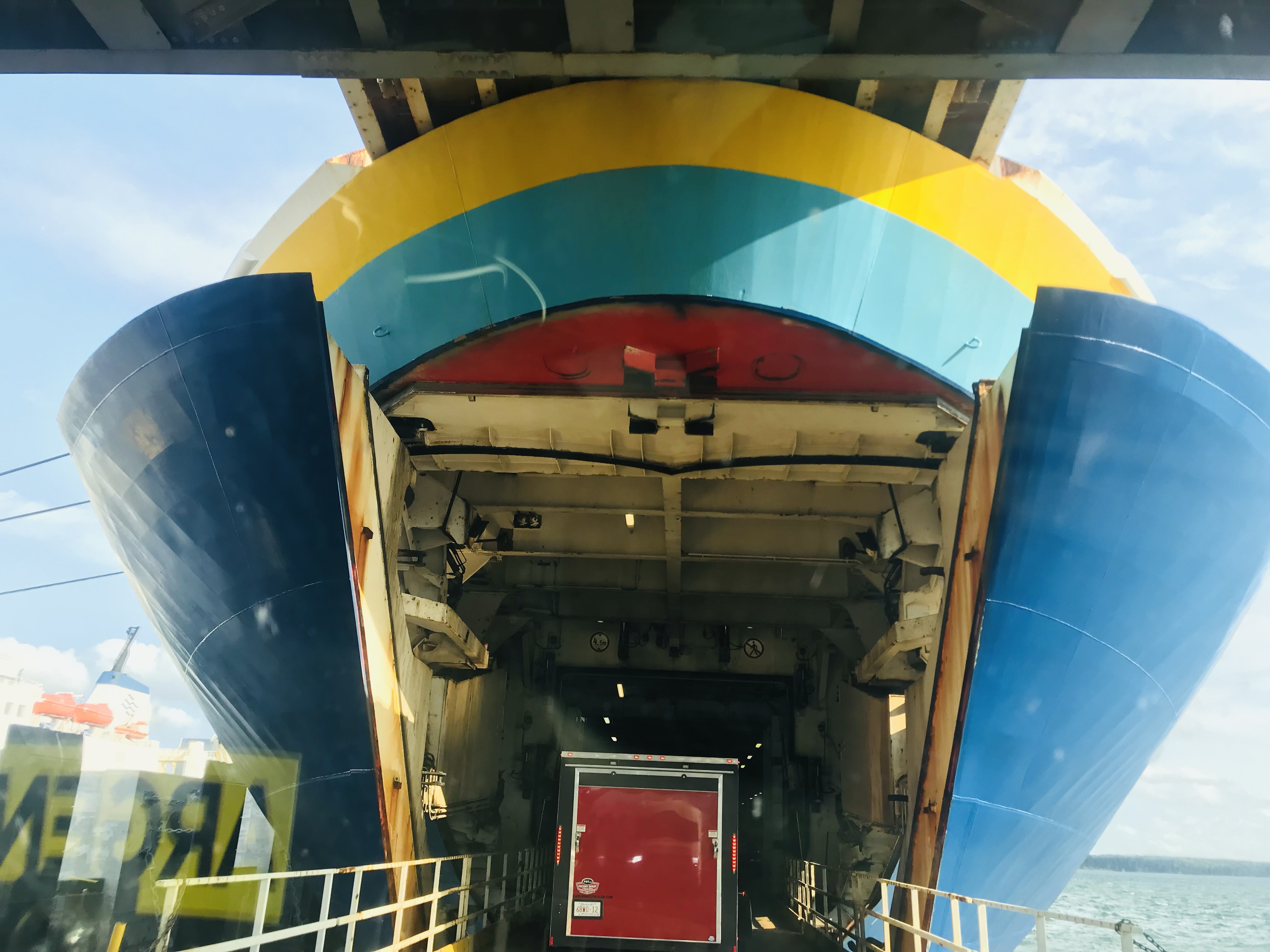
Based on a delay in arriving caused by Hurricane Larry, we landed in Argentia on the 14th of September on an overnight ferry from Sydney Nova Scotia. Argentia is on the Avalon Peninsula, home to St John’s, the largest city in Newfoundland and the furthest east point in Newfoundland. Our plan was to work our way east to west and sail back to Sydney from the eastern port of Port aux Basques. If we were drive straight through this journey would be 900 kms and take us two days, we planned to stay three weeks.
Into the belly of the beast 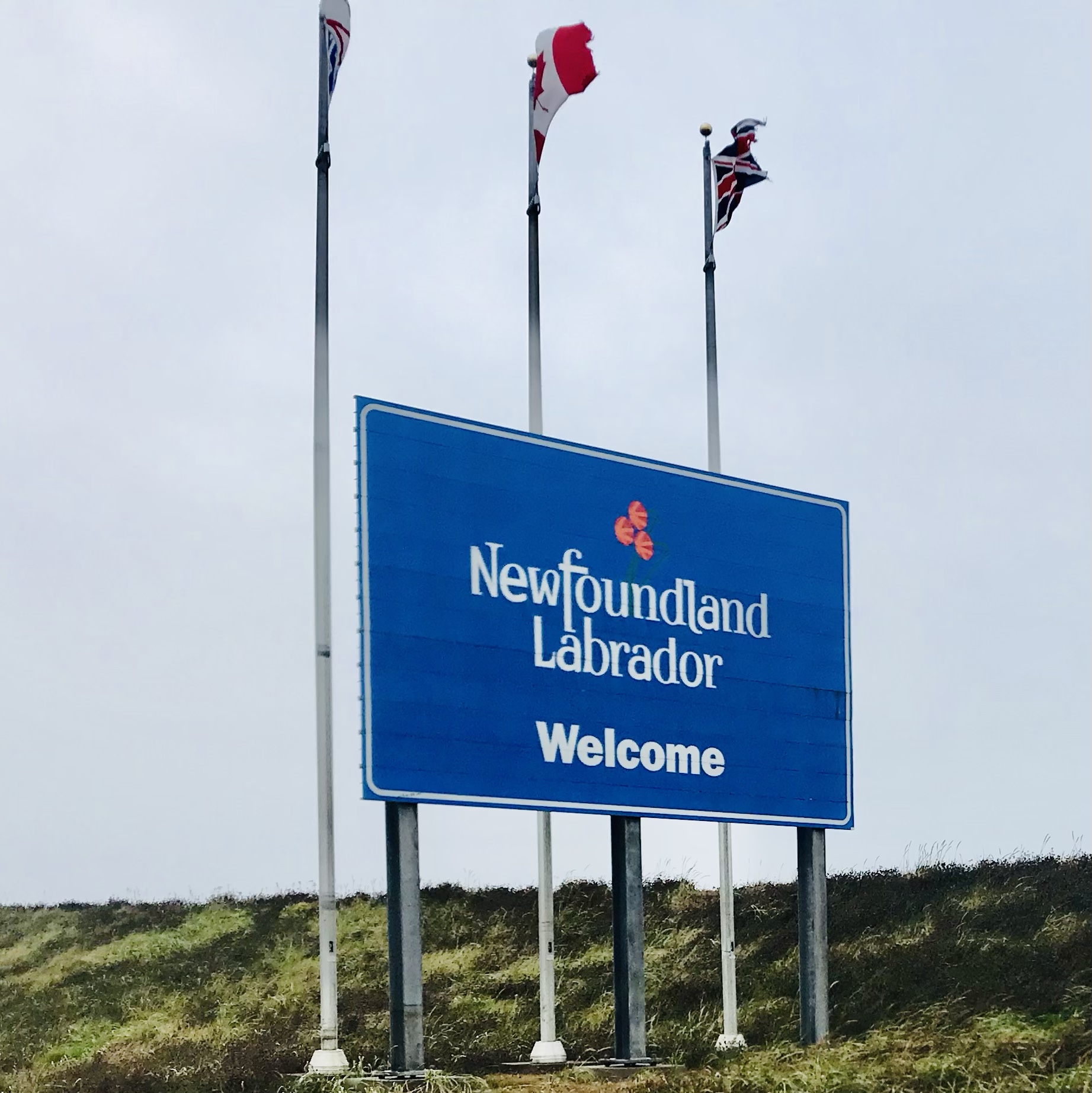
The Avalon Peninsula
Saint Johns,
St John’s is one of the oldest cities in North America and Newfoundland and the oldest point of European settlement, having been discovered by the Vikings over 1000 years ago. St John’s has the feel of a European city, small streets surrounding the port, designed in a somewhat random fashion. We did not intend to spend a lot of time in big cities on this trip, choosing rather to meander the less travelled roads in search of authentic local experiences. We did a self guided walking tour of St John’s and were struck for the first time by how empty the attractions were. George Street, legendary for being party central in St John’s was mostly closed during the day and other attractions were closed for the season. Even the information center on Signal Hill, the biggest attraction in St John’s, was closed the day we visited. It became obvious the timing of our trip might limit our touristy experiences.
Signal Hill and the Battery,
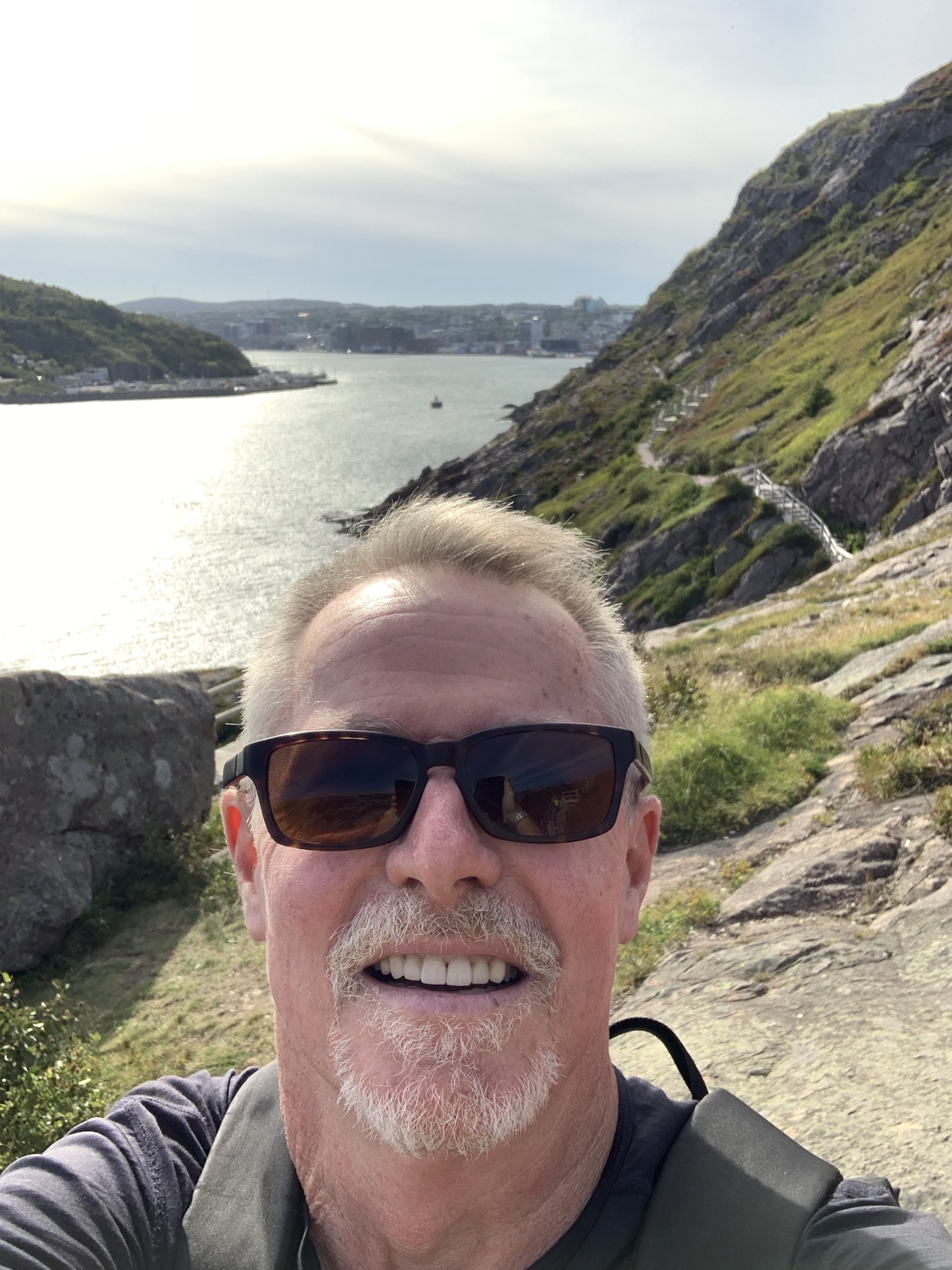
We took a fantastic hike up Signal Hill, the highest point overlooking the protected entrance to St John’s harbor. The weather was terrific, but like so many other days on this trip, the wind was howling. On a historical note, the wind on Signal Hill was vitally important to one man, radio pioneer Guglielmo Marconi, who received the first transatlantic wireless signal from antenna flown by kite near Cabot Tower in 1901. Art did a hike from the top of Signal Hill, down to the edge of the cliffs and around a narrow trail ending at the Battery, a neighborhood of steep slopes and colorful houses that were once the site of defenses of St John’s inner harbor. Given the height of the cliffs, Heidi opted for an alternate route down and met Art in the Battery. Afterward we dined on cod tongues and seafood chowder to kick off our Newfoundland culinary experience. After lunch we headed south in search of authentic Newfoundland.



La Manche Provincial Park and Cape Spears
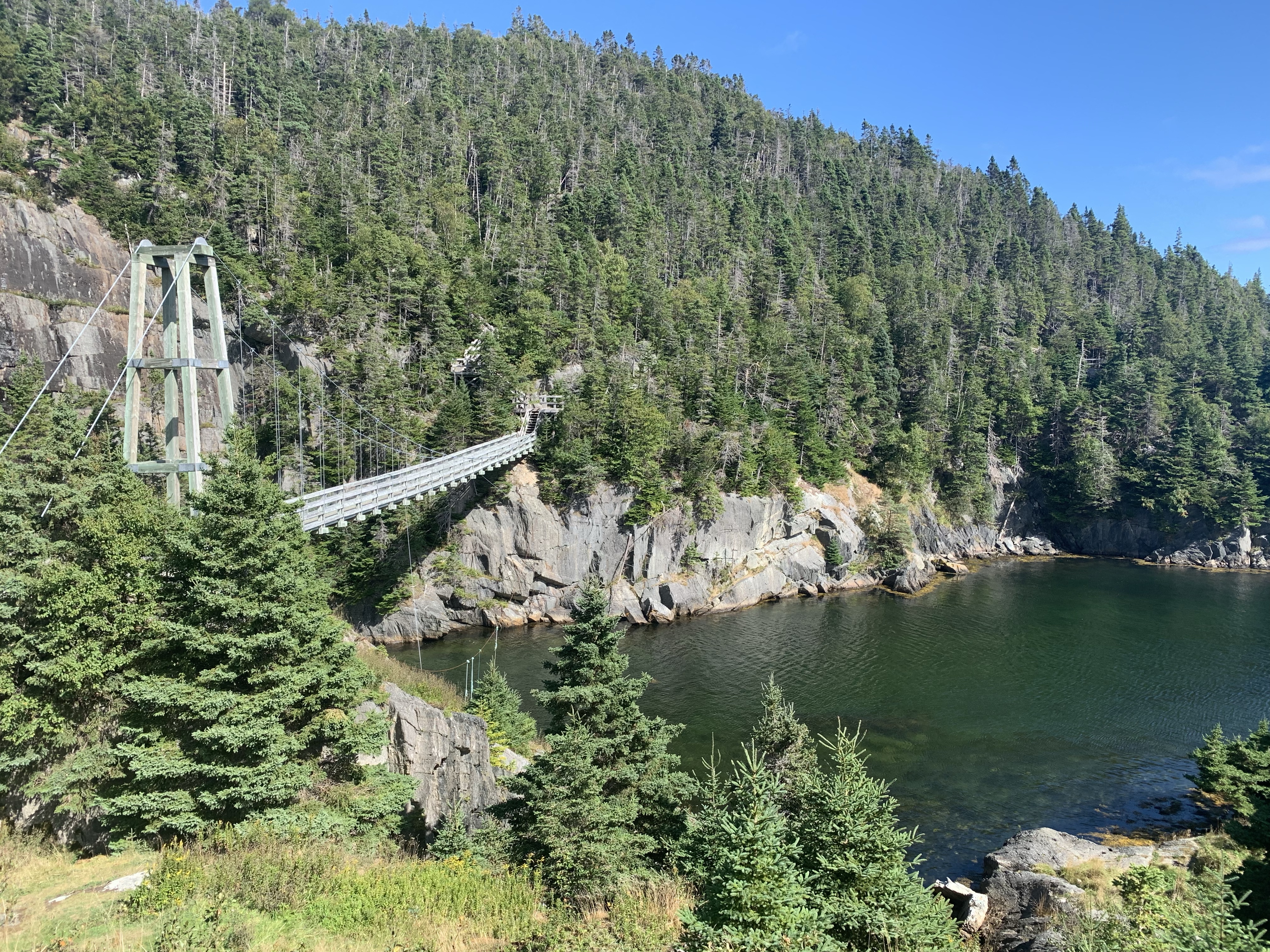
After we left St John’s we setup camp in La Manche Provincial Park 35 kms south of the city. We chose this location because it was a key in and out point to the East Coast Trail, a 336 km long trail the snakes down the east coast of the Avalon peninsula through 30 different communities, very similar to our Coast-to-Coast walk across England. We didn’t have time to do the whole trail but wanted to experience hiking parts of the trail, and our campsite gave us access and a home base to discover other parts of the area. We were one of only three or four other campers in the park that had a capacity of 100’s. We met some of park staff, who were very helpful helping us find the trail, and even volunteered to taxi us back from the end point of our hike in exchange for gas money. The portion of the trail we chose was about 18-20 Kms and went through the remains of the small harbour town of La Manche. On January 25, 1966, a Tsunami hit the east coast of the island, causing many boats, homes, stores, and the original suspension bridge connecting both sides of the harbour to be destroyed and washed out to sea. The destruction of the village forced the people to relocate, leaving behind the ruins we witnessed. It was weird standing in this place and imagining this natural disaster.


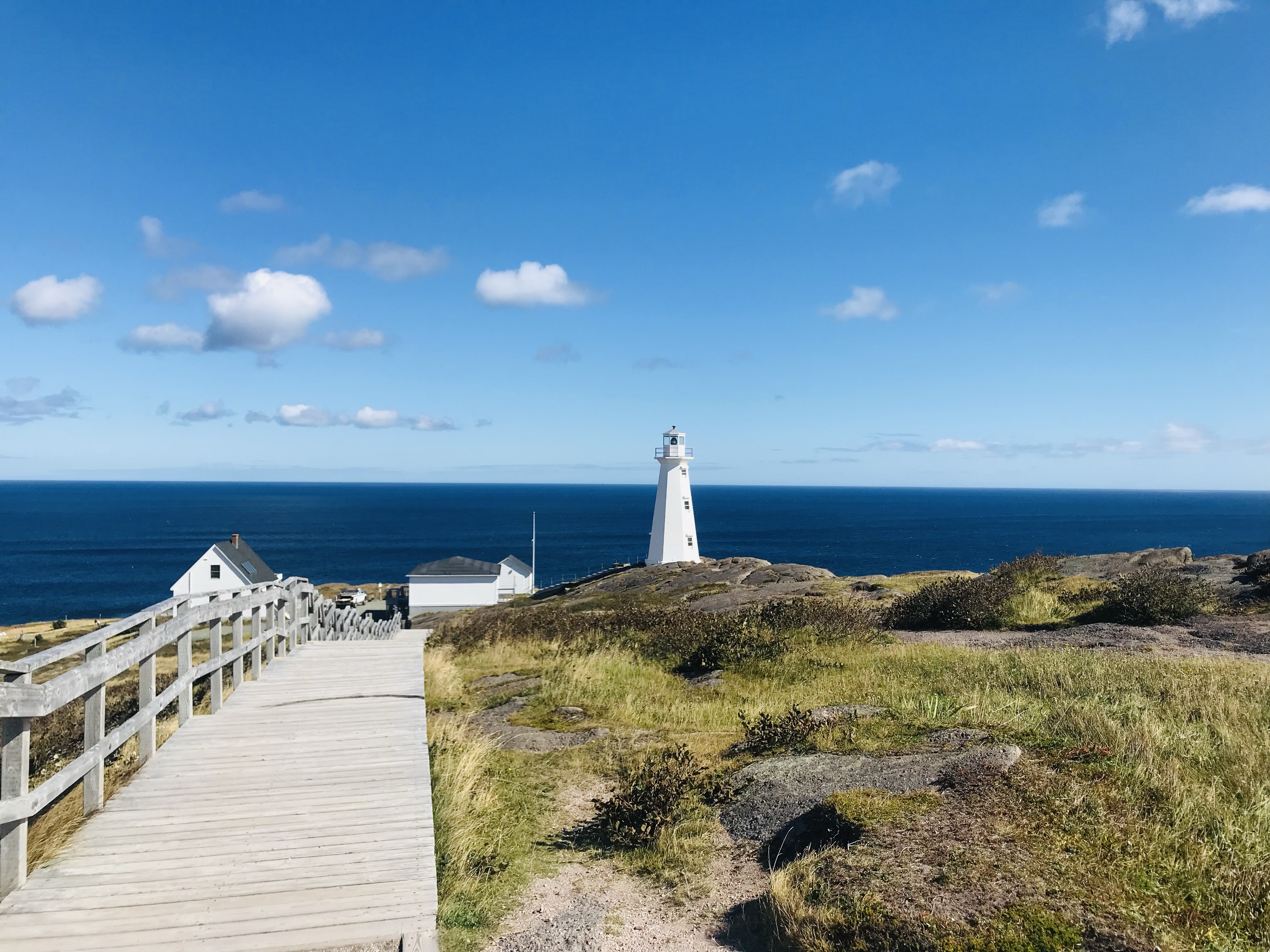
The next day was crystal clear and we made our way out to Cape Spears, notable because it is the most easterly point in North America. We hiked up to the lighthouse, (which was closed for the season and under repair) and around the perimeter, past retired gun battery’s and sharp rock cliffs. Looking east, next stop Ireland. Newfoundland is notable for the dramatic coast lines, sharp cliffs plunging to the North Atlantic. We came across some women out picking wild berries and asked them what they were collecting. They told us they were meadow berries, sour berries combined with sugar to make jam. They told us this was berry season and throughout the remainder of our trip we collected wild blueberries for pancakes on many of our hikes.


Brigus, Cupids, Dildo,
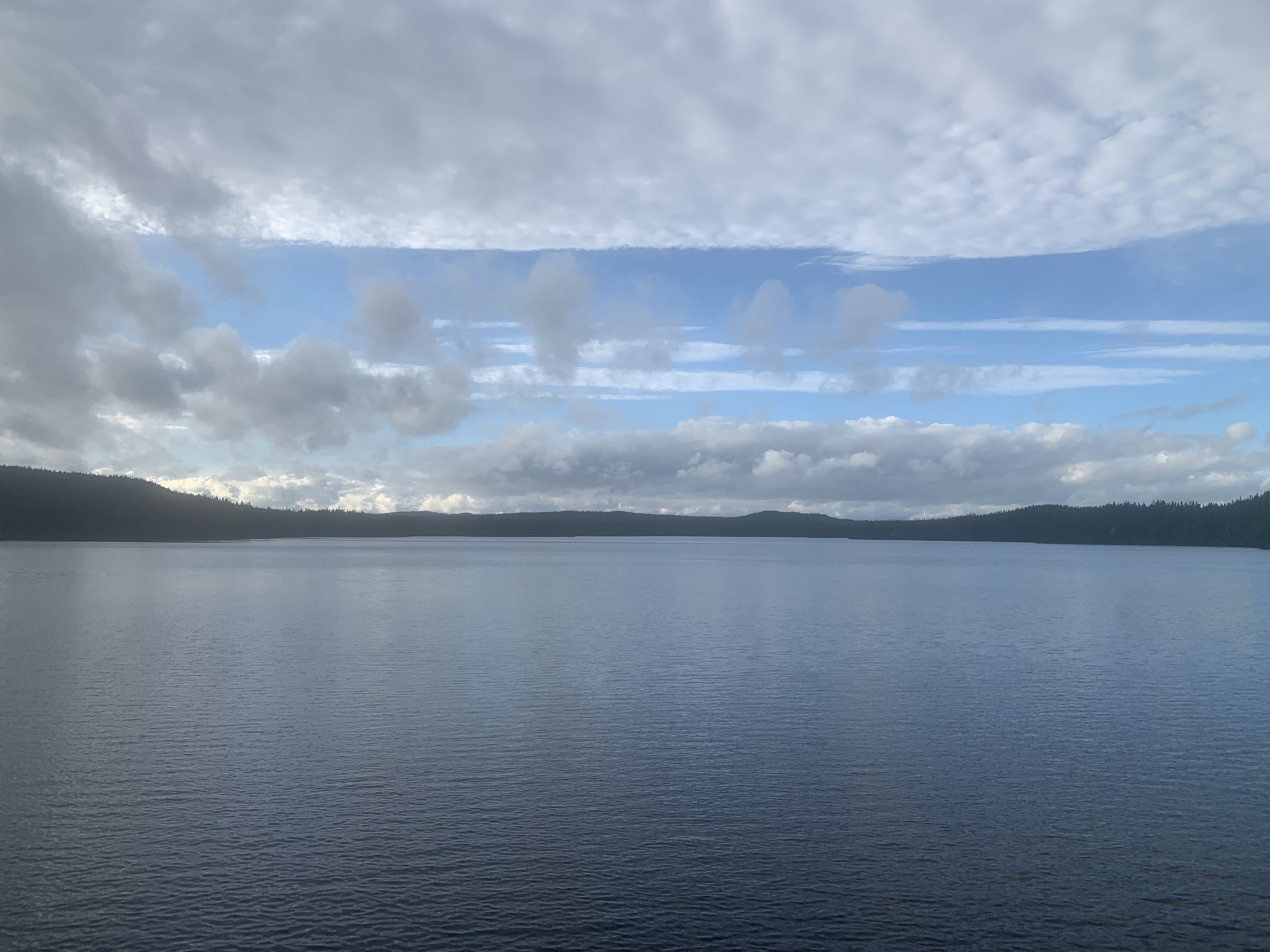
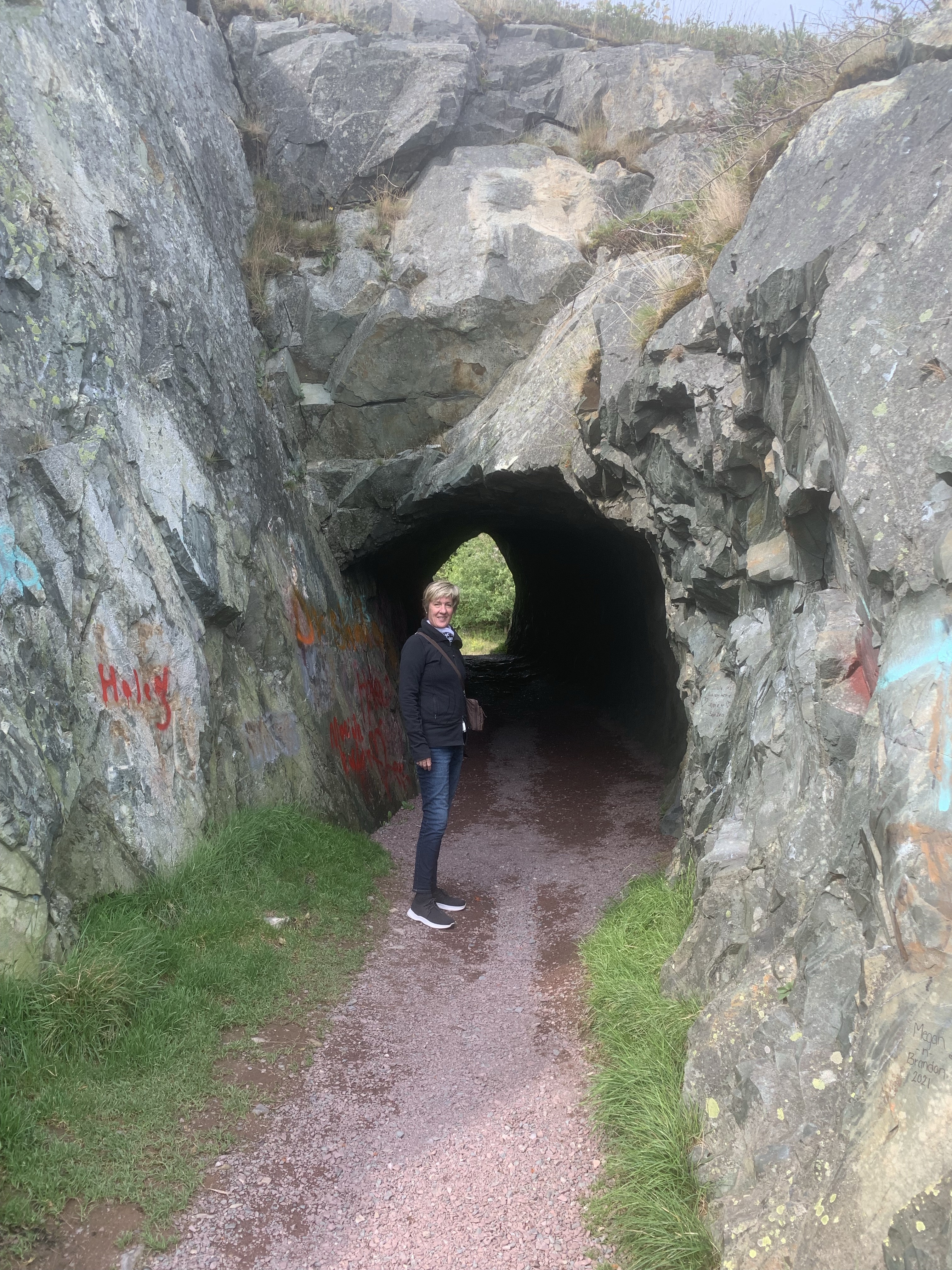
We had intended to spend some time on the Irish loop South of La Macnhe but because of the damage caused by hurricane Larry many of the small communities were not welcoming guests so we decided to head West and off the Avalon peninsula. It was a rainy day and so we took off in the direction of Brigus, the first of many small harbors we visited, (don’t call them towns or villages). Brigus is best known for one of its native sons, Robert Barlett, the Captain who helped Robert Percy reach the north pole first. He is also known for the bravery he showed in rescuing his own crew of the doomed ship “the Karluk” chronicled in a great book called the Ice Master. I highly recommend this book, it’s a fascinating read. After a great lunch at a local café we pushed on to Cupids, the second oldest English settlement in North America. The rain had begun to fall pretty steadily so we made only a very quick stop before moving on to Dildo NFLD where Jimmy Kimmell is honorary Mayor. Someone pointed out to me that Dildo has a sister city in Saskatchewan called Climax 😊 During late spring this area is famous for viewing icebergs and puffins. We were starting to understand we might have missed out on some of the iconic Newfoundland experiences based on our late arrival, but we pressed on determined to experience as much as the island had to offer at this time of year. The benefits were there was never a lineup and the locals seem to go out of their way to make us feel welcome.


North Central Newfoundland
Trinity, New Bonaventure,
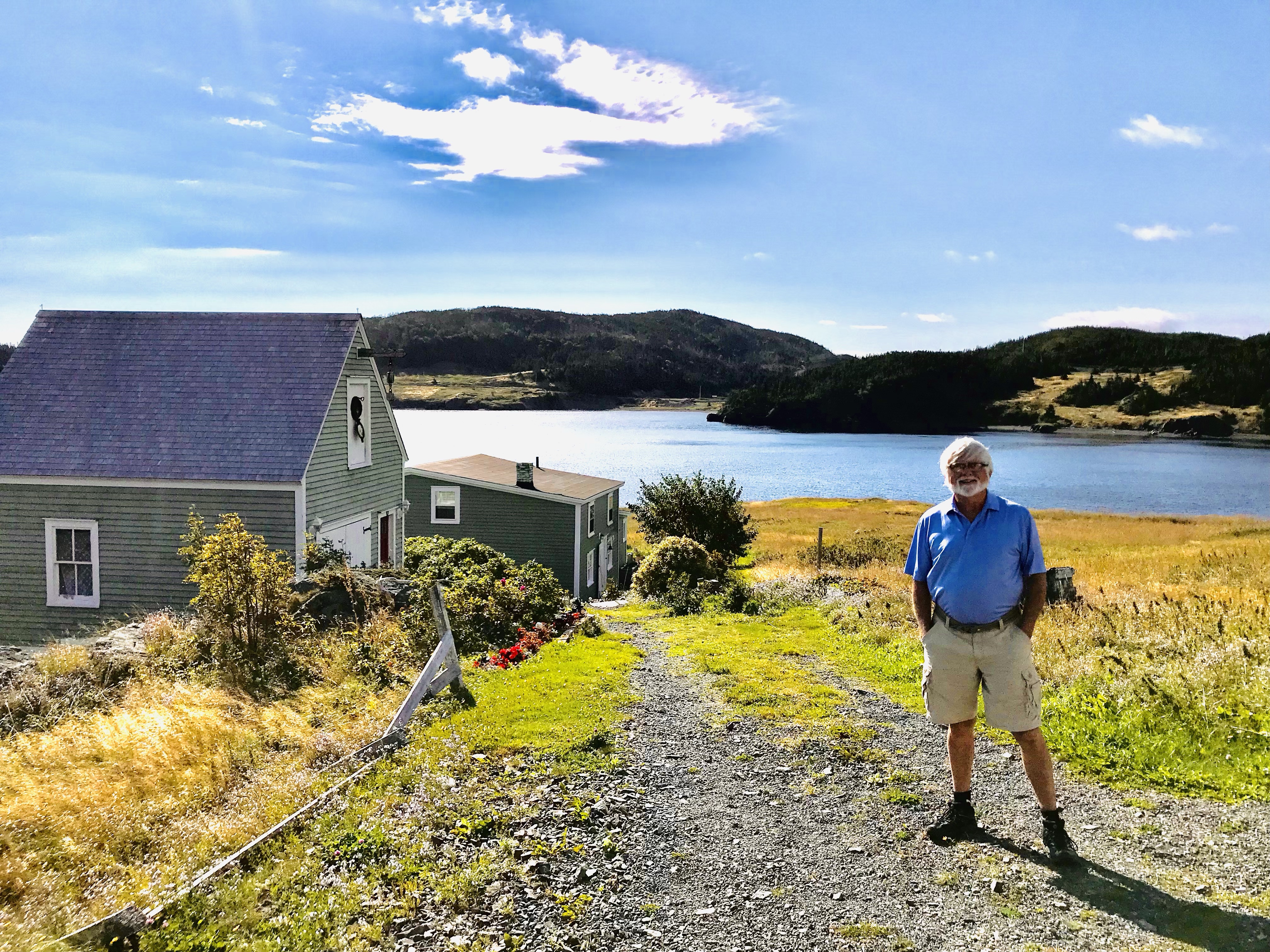
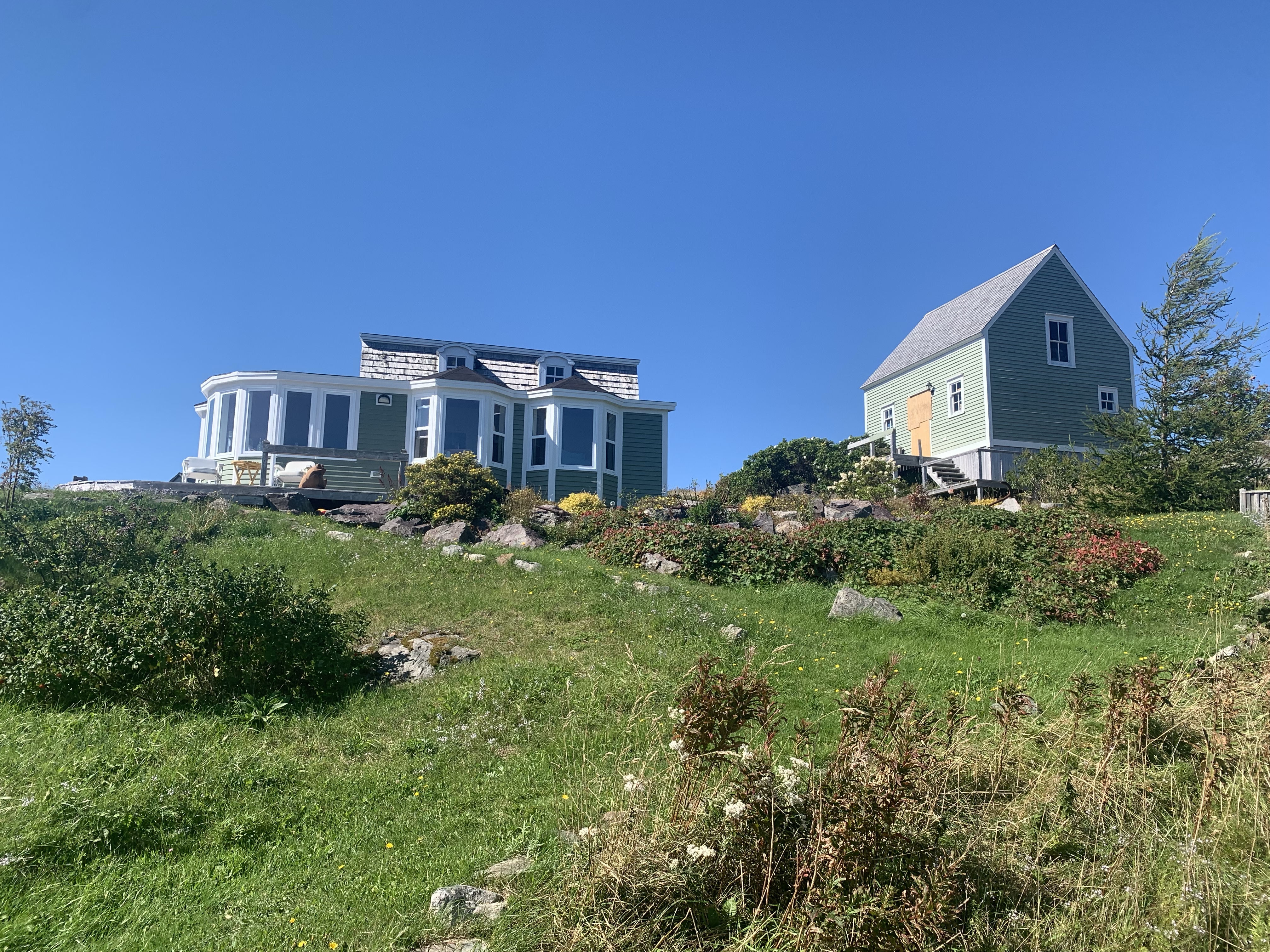
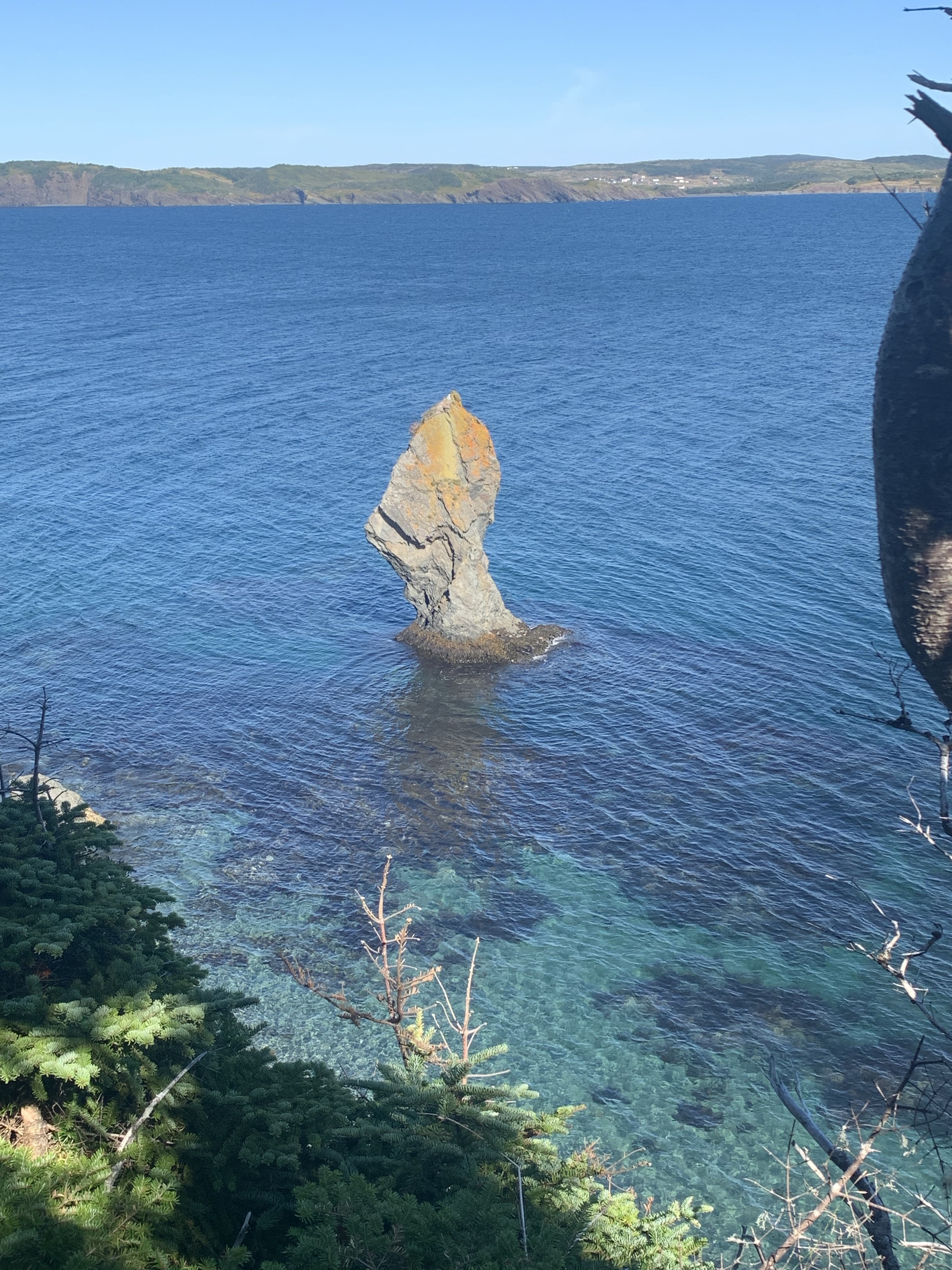
Newfoundland has become known for its film industry as of late, with many productions using its harbours and rugged coastlines as backdrops for their productions. One of the most popular areas is the Bonavista peninsula: notable productions include The Shipping News with Kevin Spacey, The Grand Seduction with Brendon Gleason and Random Passage with Colm Meaney. Our first stop was Trinity, a postcard perfect harbour town that we had read was a must-see destination. The weather was perfect and we quickly parked Klara and set off on foot to explore the town. We made our way to the far end of the harbour and as we rounded a corner, we said “hello” to one of the locals and were welcomed off the road by this very likable chap. Tom is a retired CSIS and RCMP officer whose father built the family home on the shores of Trinity harbour. Tom explained that in 1902 his father bought the land and moved the family home board by board in his rowboat from Trouty, six kms away by boat, and reassembled it on the current spot. The view from his house is nothing short of breathtaking, the lighthouse straight away, with the point of land that contained our hiking destination for the day, “The Skerwink Trail” behind it. Tom invited us in for an excellent coffee and a tour of the family home. Tom and family now use the house as their summer home with winters spent in Ottawa. Tom has made some improvements to the old house to take advantage of the breathtaking view by building and enclosing a sunroom all around and adding windows to bring in the view, surrounded further still by a wrap around porch. We spent an hour swapping stories and getting advice as to where to eat and what to do in Trinity and surround. Trinity is a series of 3 protected deep water harbours ( hence the name) with over 28 miles of coastline. In the late 1800’s one British navy admiral stated Trinity harbour could house and protect the whole British fleet. Thanks to Tom’s recommendation, we ate the best fish and chips at the local pub and then hiked the Skerwink Trail, rated as one of the top 15 day hikes in all of Canada. Heidi and I concur. The trail rises from sea level and winds through ocean-bent forest onto a plateau and a series of cliffside walks that take your breath away. Full marks to Heidi for being able to overcome her fears to complete the circuit. After our hike we settled into a parking spot in town and attended a one woman play about a typical Newfoundland fisherman’s wife set in the fifties. Amazing performance to be sure but we understood only some of dialogue as the accent is pretty thick! We stopped by Tom’s on the way out the next morning, whereupon he served us another excellent cup of coffee and gave us some cod filets to send us on our way (which were delicious simply pan fried with butter and lemon, thanks Tom!)




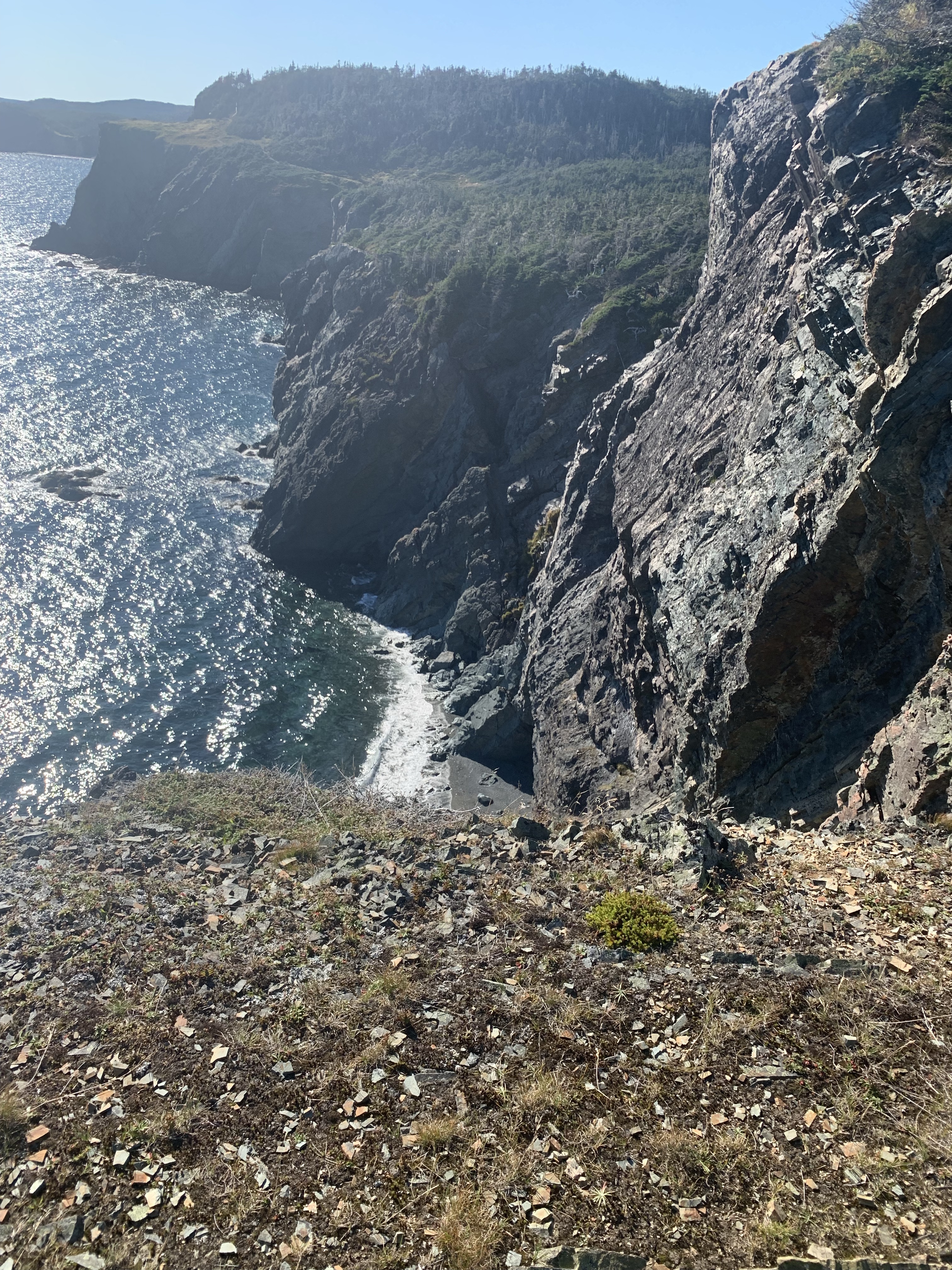

Heidi in distress 
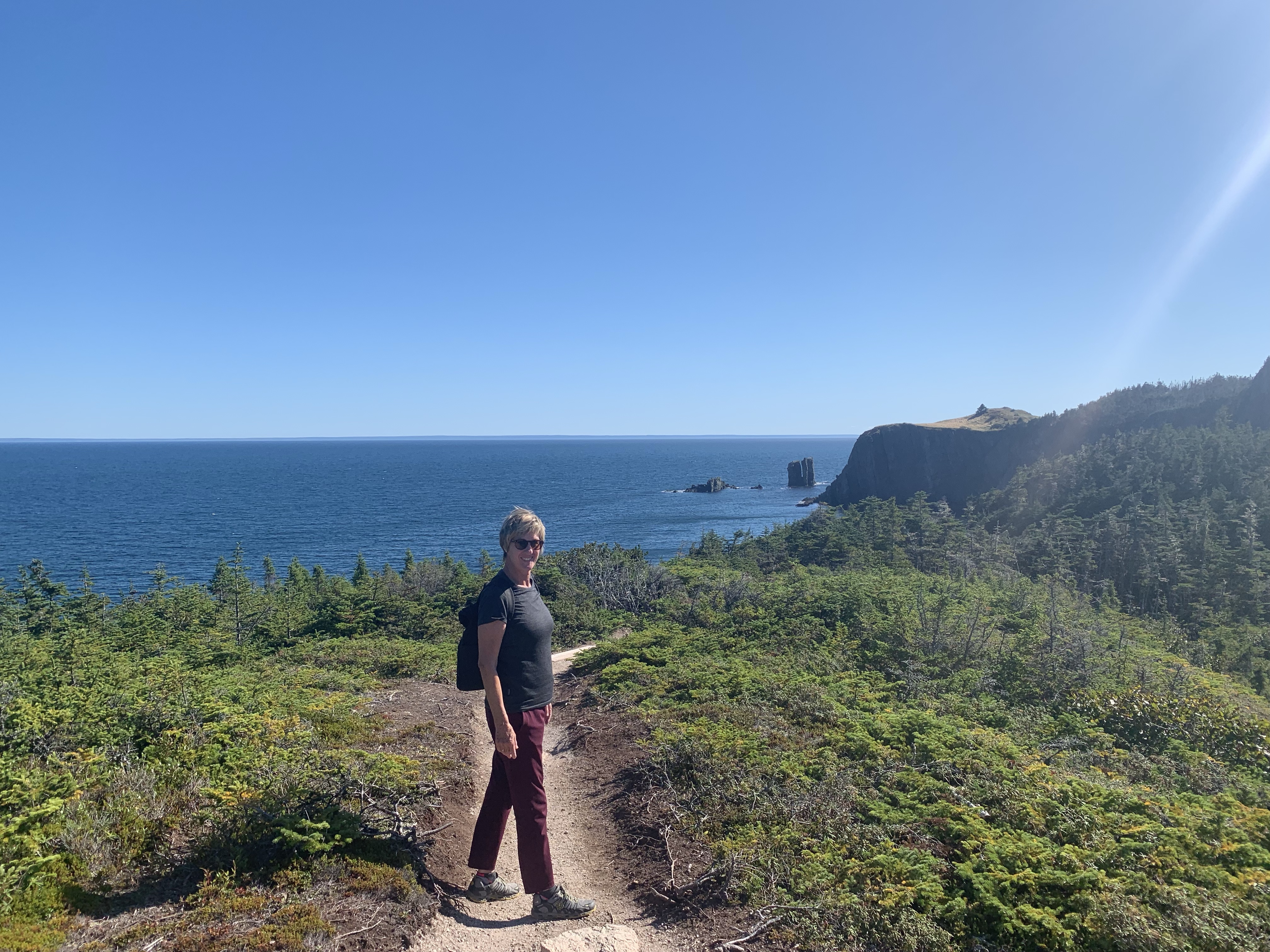
Heidi happy it’s done 

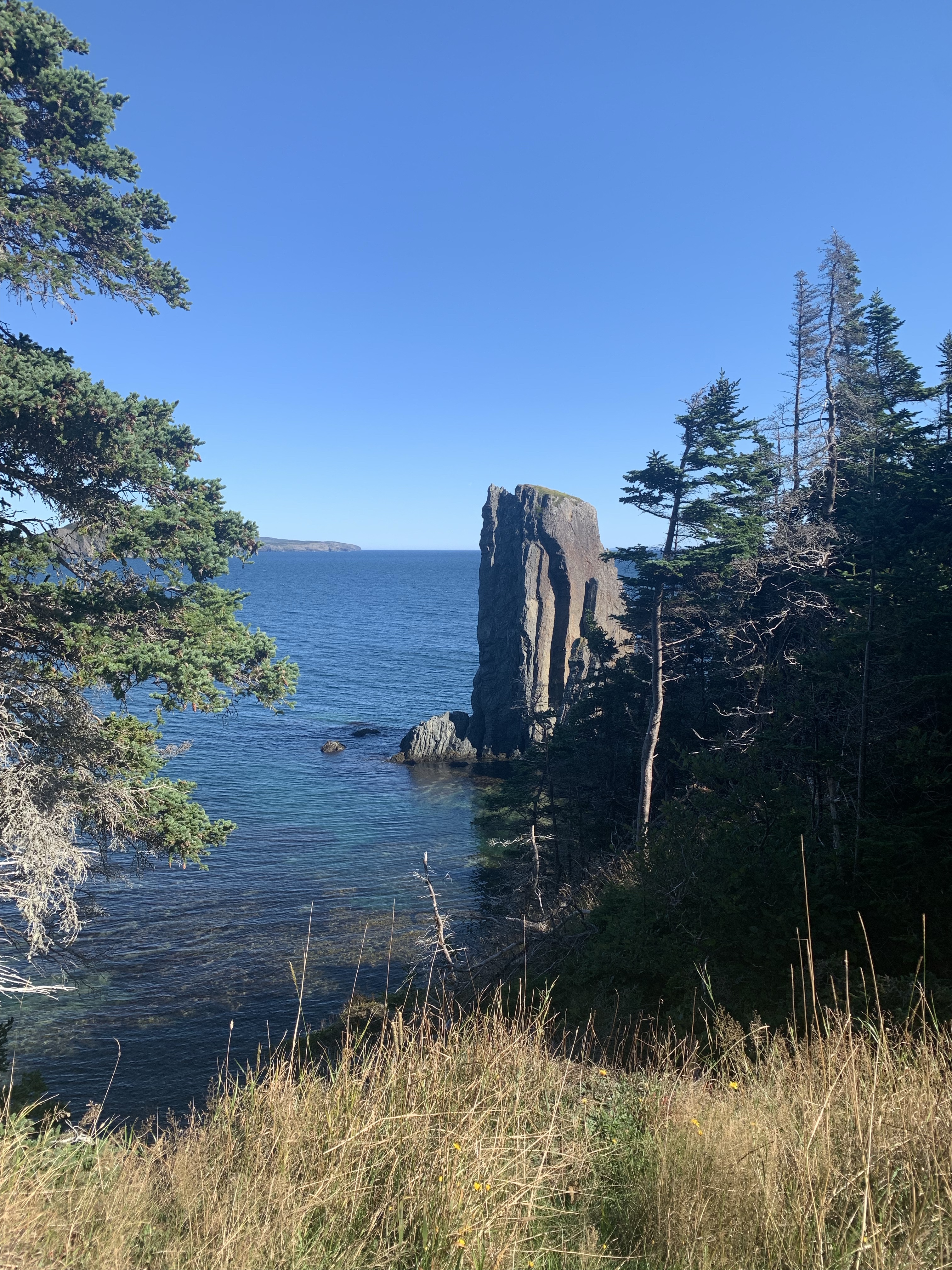

Bonavista
After leaving Trinity we took the leisurely route through Elliston in hopes of seeing puffins but alas we were thwarted. We di get a chance to see the Sea Sealers Memorial in Elliston, which honours the crew of the SS Newfoundland who froze to death in March 1914 when poor communications led them to be stranded in a blizzard, as well as the crew of the SS Southern Cross, which sank in the same storm. In all, 251 sealers died. The picture depicts the actual scene the initial rescuers found, a father holding his 18-year-old son, frozen to death in each others’ arms.

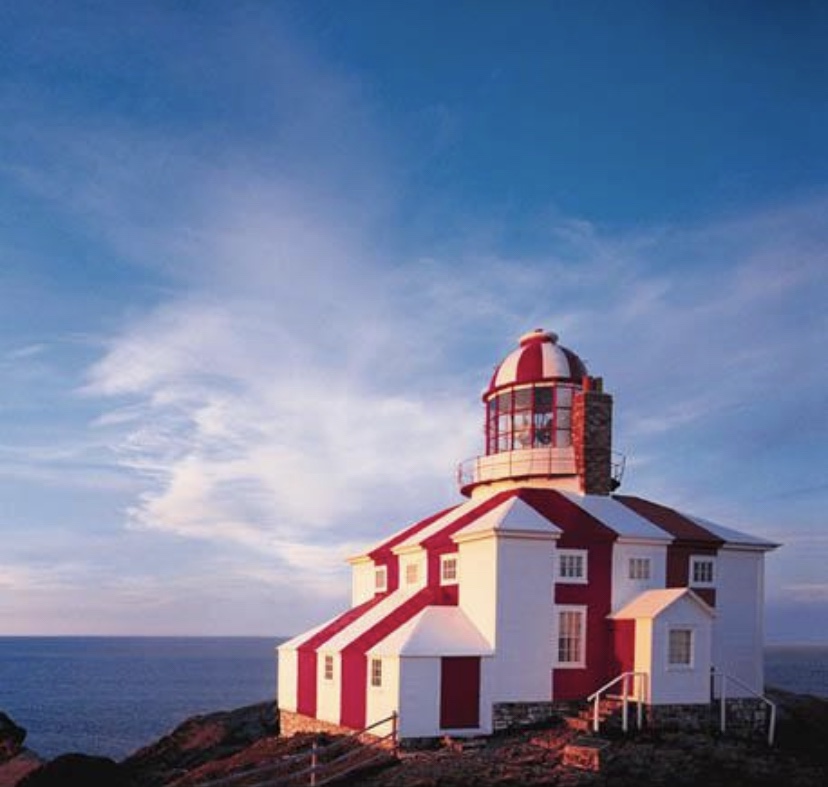
Cape Bonavista Lighthouse and Dungeon Provincial Park are at the very northern tip of the Bonavista peninsula. Cape Bonavista and the lighthouse that makes up the provincial museum site are beautiful, educational, and historic. The museum depicts what life was like for the lighthouse keeper when it opened in 1870. As with most manned lighthouses they were replaced with automated versions and this one was decommissioned in 1962. The local city of Bonavista allows wild camping on the cape, and the sign states “Campers and RV’s may only stay three nights for free”. You got to love Newfoundland and their hospitality. We loved it there, but a new tropical storm was headed Newfoundland’s way and our friend Tom said, “you are in the windiest place you could find”, so we decided to skedaddle out of there and head inland to Terra Nova National Park.

Terra Nova to Twillingate
Terra Nova is a national park and amazing wetland, but we were using it as shelter from the storm so limited our exploring to a quick overnight stay and a 3.5 KM hike around the park. The next day we headed north toward a beach community called Lumsden that was recommended by locals and discovered three very cool spots along the way. Salvage was a quintessential Newfoundland harbour town reminiscent of Trinity but less put together. Trinity was so cute it was almost unreal, but Salvage was authentic in every way. While parked next to the wharf a local stopped and asked us if we neeed any help. He turned out to be on the local city council and his family owned some of the cutest and oldest homes on the shores of the harbour. He suggested we take the Salvage point trail loop that took us through the trails that rimmed the coast and through the local wetlands. We stopped at the graveyard alongside the trail and saw generations of Salvage families buried together. 60 graves, four family names. The families of Salvage still rely almost exclusively on fishing for their livelihood, but tourism is now a priority and the fish plant on the wharf is being converted into a restaurant, brewery and inn. I wish them the best of luck as fishing is an industry that seems to be slowly dying.


We carried on down the road to Dover, another harbour town that gained notoriety post 911. As many of you will remember, after the terrorist attacks of 911 Gander welcomed 38 planes and 6,600 passengers were stranded when the US closed American airspace. Dover was a local attraction many people stop at as it is the location where one can climb a hill and view the fault line between the North American and European continents. Two passengers met while they stayed in Gander and realized it was more that a friendship while on an excursion to Dover. Their love story became a tony winning Broadway play called “Come From Away”.

Working again on a locals recommendation we stopped at a small community called Greenspond. This little harbour town has a small inner harbour that allows small craft to bring their boats up into their own backyards. We walked around the little island on a beautiful trail, one of the very best hikes we have had so far. We were walking back into town and saw the cod fish drying on the drying racks and even saw some houses where the cod shared the clothesline with the people’s clothes. Dried salted cod has been a staple for the Newfoundland people’s diet for centuries, amazingly just by dropping them into water before cooking and the fillets are so moist you would think they were fresh. At the end of this busy day, we arrived at a small municipal campsite in the town of Lumsden. This was one of the most beautiful sandy beaches we have come across in all of Canada, as a matter of fact it reminded us of the beaches in Mexico. It was a campsite with no services, but it backed right up to the dunes and gave us access to 5 kms of beaches that surround the spit of land it was on. Our itinerary had been pretty hectic, so we decided to stay a few days and enjoys the 20-25 degree weather.

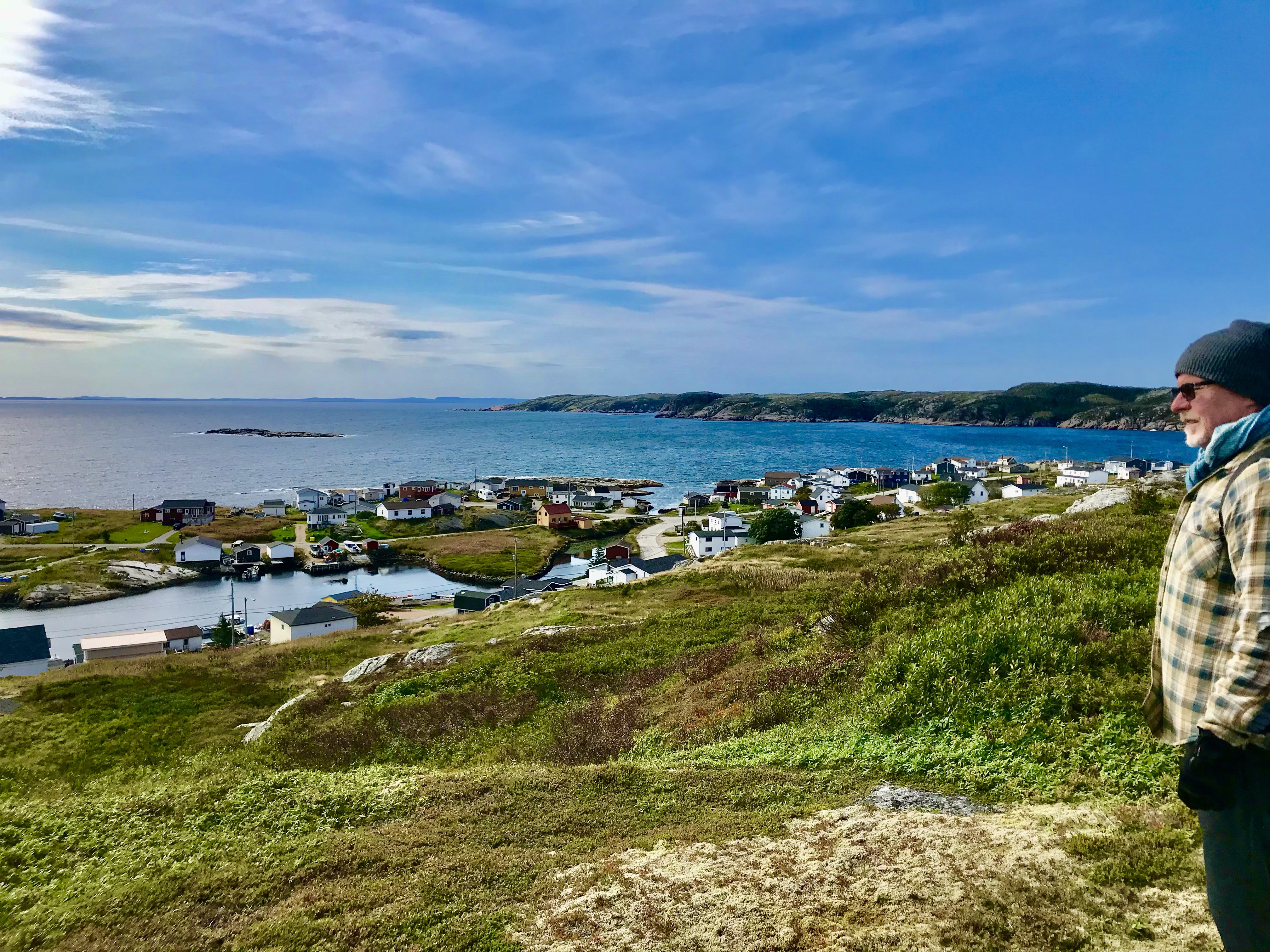


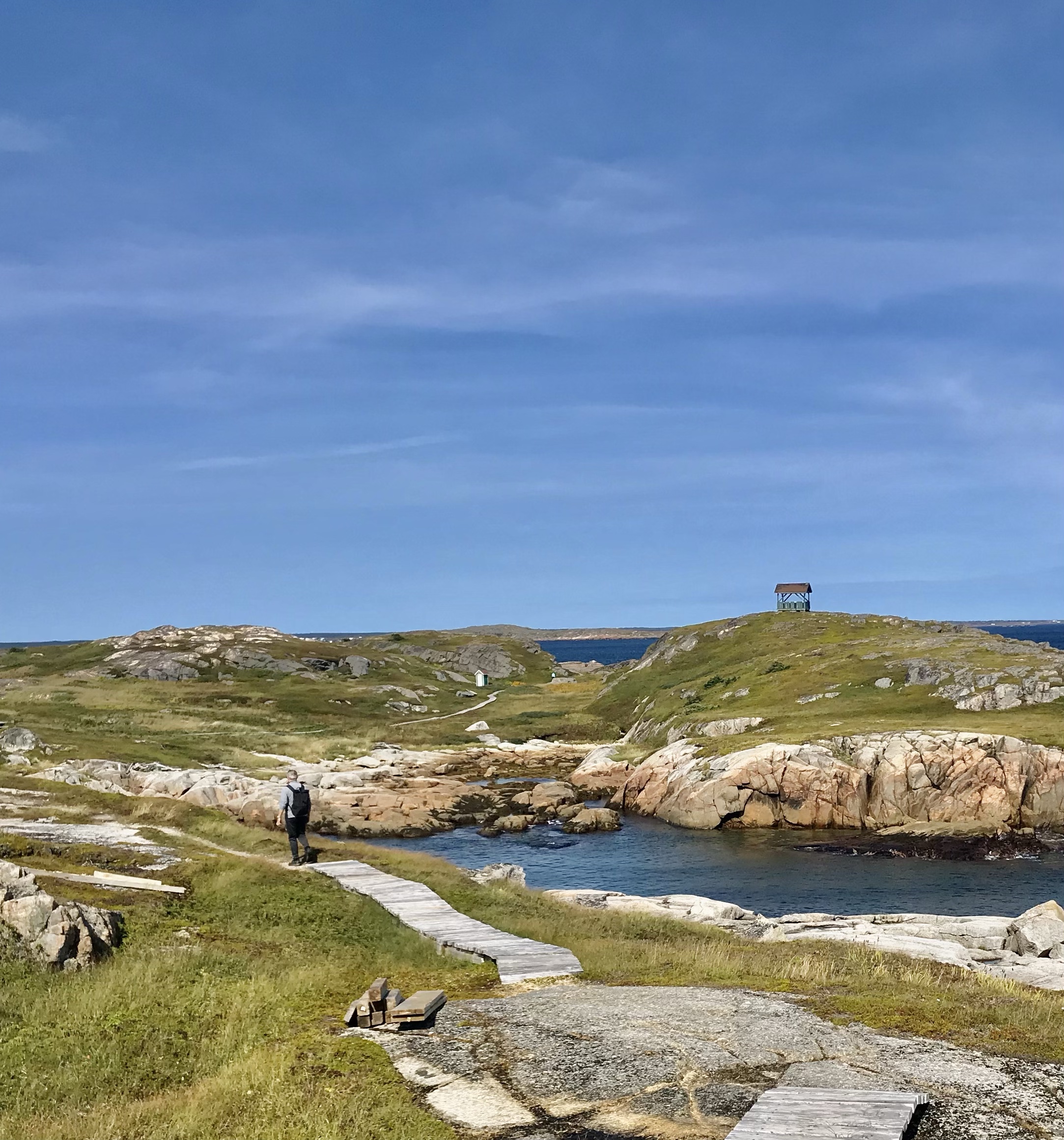
Even though the weather in Lumsden was still outstanding, ideal beach weather, we decided to press on to Twillingate at the top of the Peninsula. We checked into a local campsite and did laundry and had a long hot shower (always a treat when camping in the fall), before heading out to listen to some music in town. Since arriving we had learned that many restaurants and much of the musical attractions shut down for the season by mid-September, so it was great to find some local musical talent at the local hotel pub, The Anchor Inn. COVID restrictions were still in place, so social distancing was being followed and the pub was running at ½ capacity. What was funny was when the singers went around the room asking where people were from. 4 of the first five tables were from BC. We had a great time listening to authentic Newfoundland music sung by a local hipster fellow and his girlfriend . There had been a COVID outbreak in town, so we checked out the next day and went on one of the most beautiful and rigorous hikes of the trip so far, the Twillingate Top trail. This pleasant 8km trail took us to four separate lookouts with views in all four directions around Twillingate.
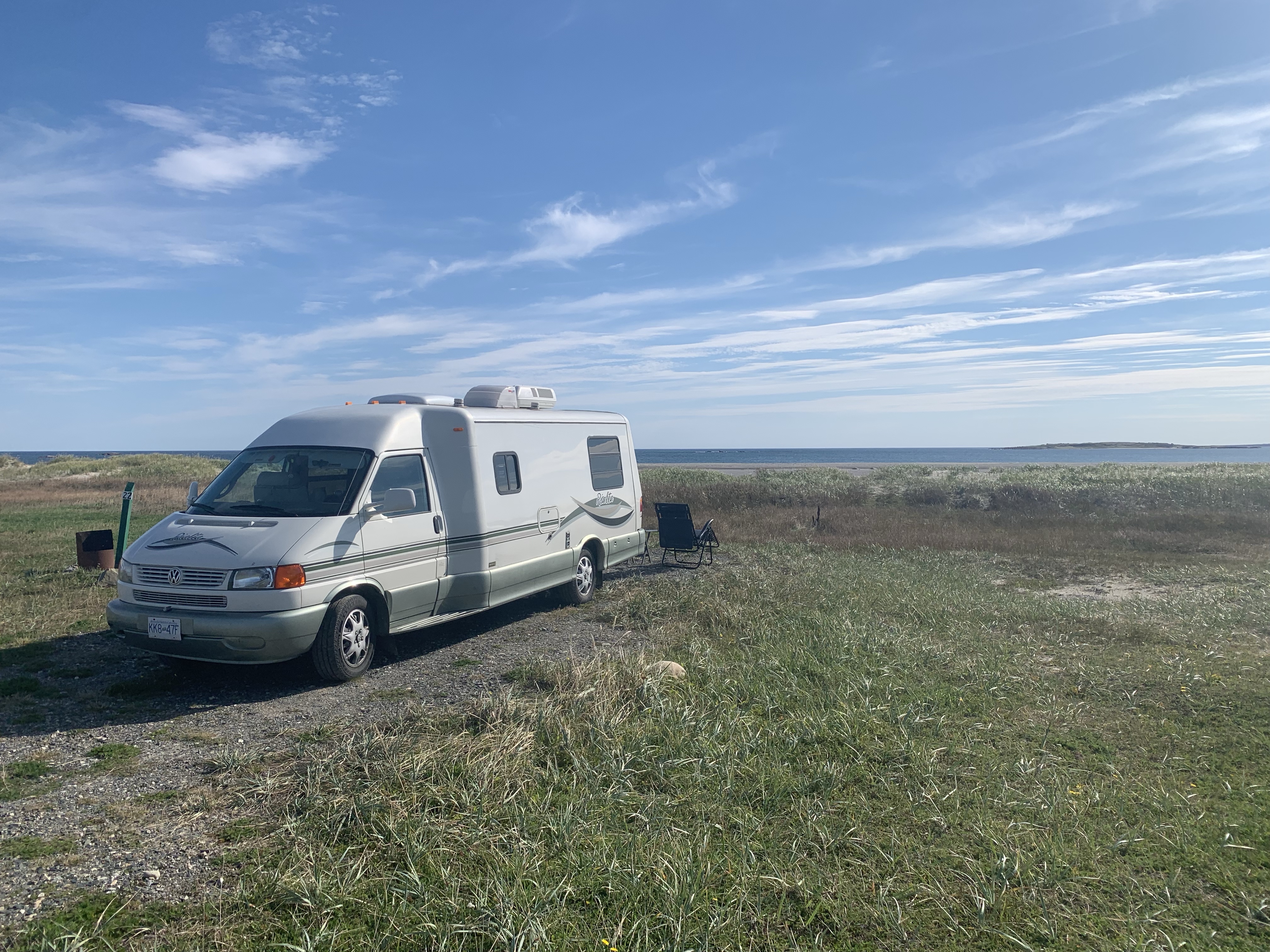


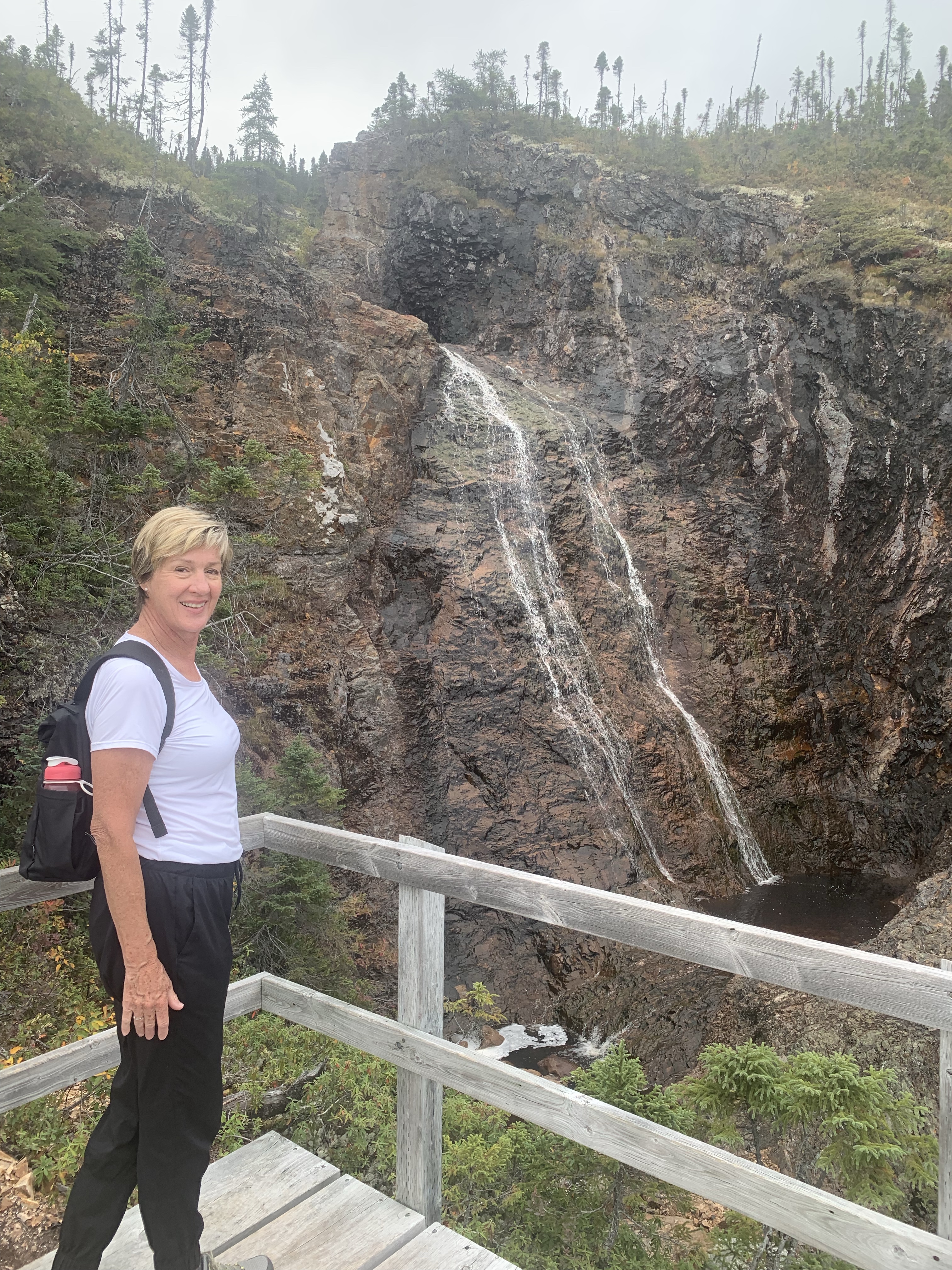
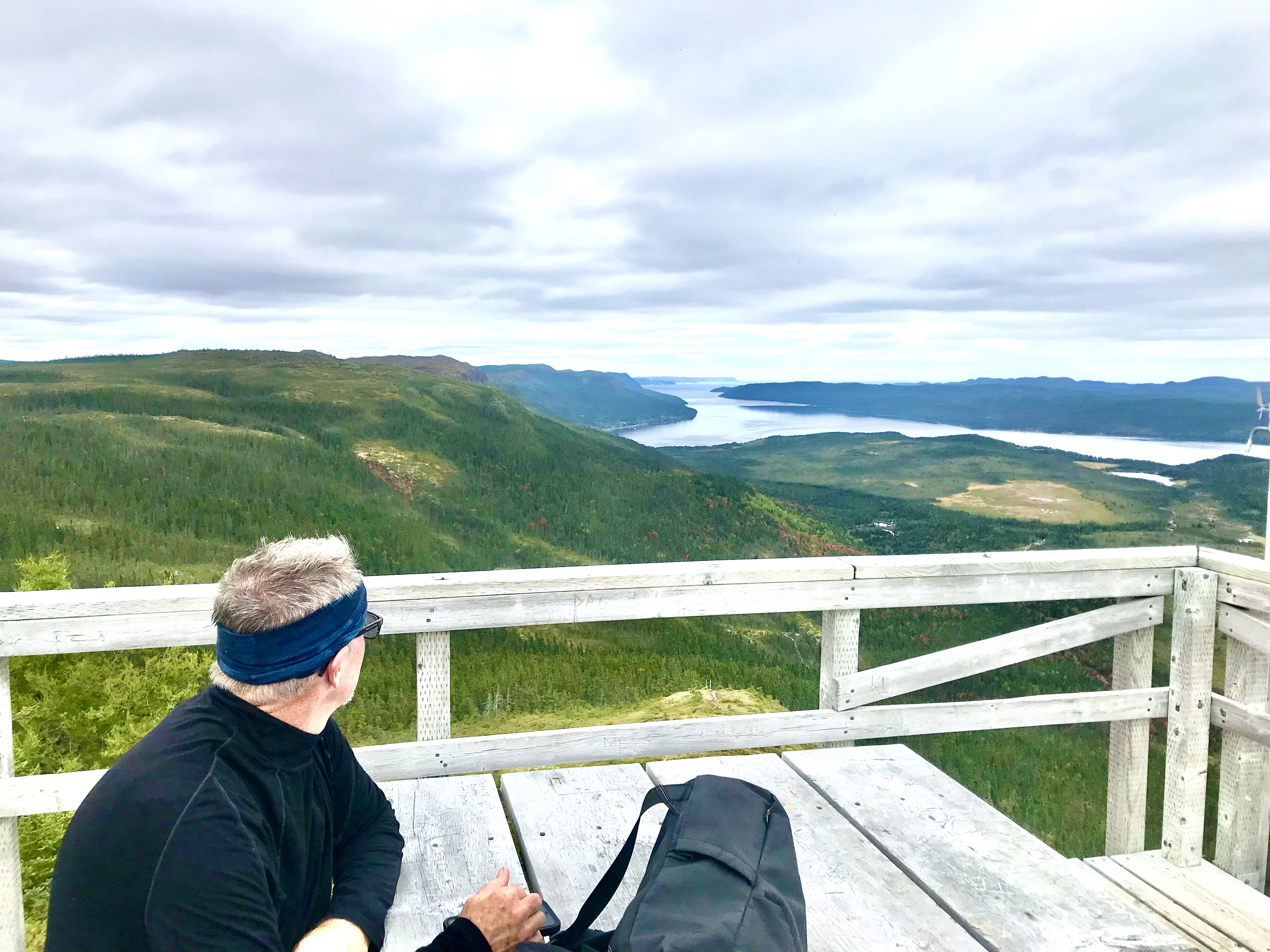
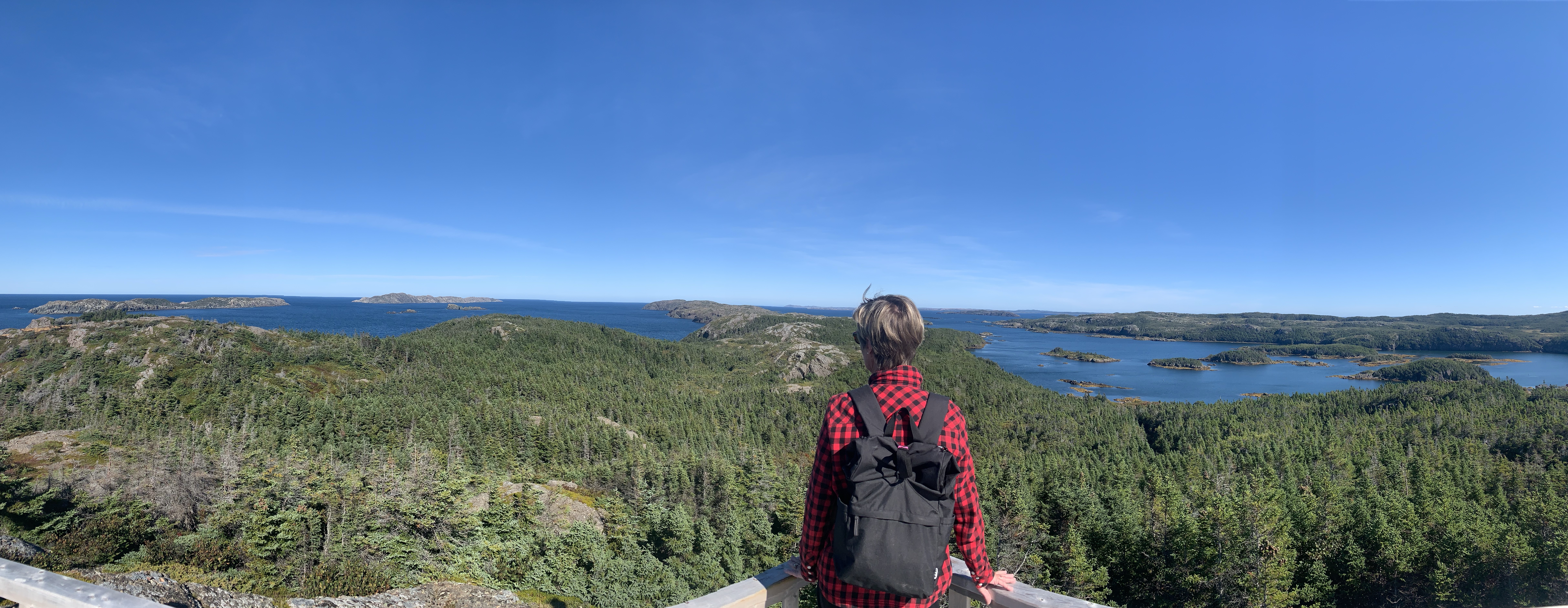
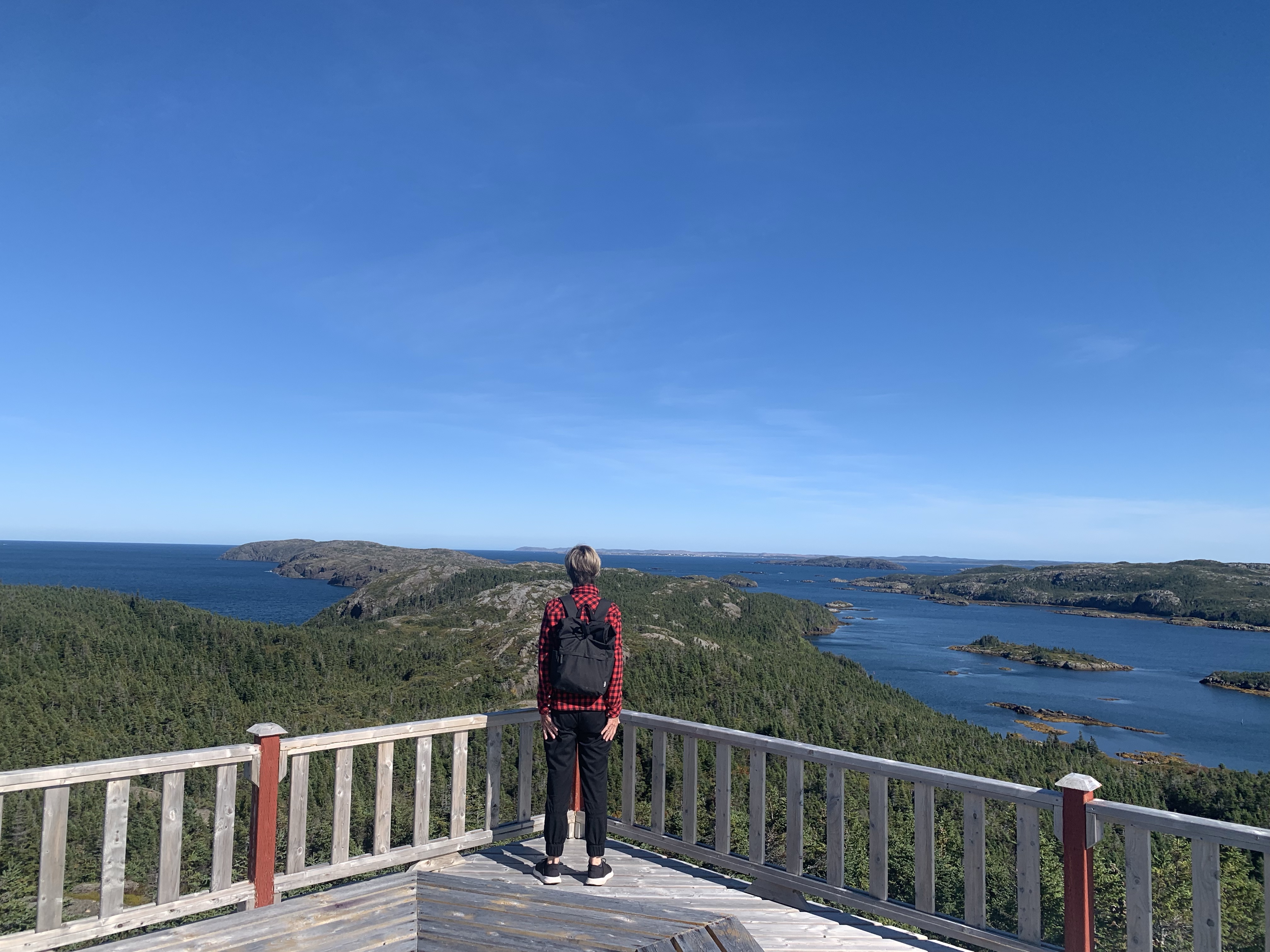
We departed Twillingate for Kings point on the recommendations of a couple of we met on the twillingate hike . They told us about a great little campsite at kings point run by the local municipality where showers and laundry were free, bonus!!!!. We were very pleasantly surprised to find out that our campsite was waterfront overlooking the harbour. This couple also recommended a great hike the Alexander Murray trail. This 15 km trail added to our fitness level, 24,000 steps, 135 floors of climbing up 1,100 stairs to be rewarded with 360 degree views of the surrounding islands. On the decent we took a detour, 25 floors down and back up again, to see a terrific waterfall. While visiting the waterfall I had a great chat with three exchange students from different parts of Italy. Its very interesting to hear their impressions of Canada, vs the USA and Europe. Safe to say these three are in love with my country, I couldn’t be prouder to be Canadian after talking with them.





The West Coast
Gros Morn
We had spent the first two week exploring the small harbours on the east and north coasts but what I wa s really looking forward to was getting to Gros Morne, the national park on the far west coast. I was excited because I had read that the best hiking in Newfoundland could be found there, and they were correct. We spent 5 days hiking up and down the length of the park and also took a day to sail up the Western Brook Pond. The coastline on the west coast is much different as the high plateaus in Gros Morn provide a consistent backdrop, seeming like a scene from land before time. We began at the northern tip in a town called Cow Bay. We rented a camping spot here for a couple of days and hiked a few trails, each alongside the ocean, many with cliff views that were stunning. On the Cow Bay lighthouse hike we came across a small bay that had once been the summer fishing base (referred to as summersides), but had since been resettled as many small bays and harbours have been in Newfoundland. You could picture how this would provide quick access to the bountiful fishing banks offshore but safe harbour from the storm. The was even the remnants of a manual boat winch on the shore beside the wreckage of the old house.

Cow Bay Summerside 
You had one job 
Cow Bay Harbour
We moved down the coast to a small park called Bakers Brook that was alongside another Summerside. There was a no camping sign, but we figured it was out of season, so we hunkered down for a free night of camping. In the morning the assistant warden came by and said that he didn’t care, but his boss the warden would care and was about fifteen minutes behind him and would levy a steep fine if he found us there. Needless to say we got the heck out of there in a New York minute. We hiked the Oceanside trail before moving on and felt lucky to have such great weather and fantastic trails to explore.
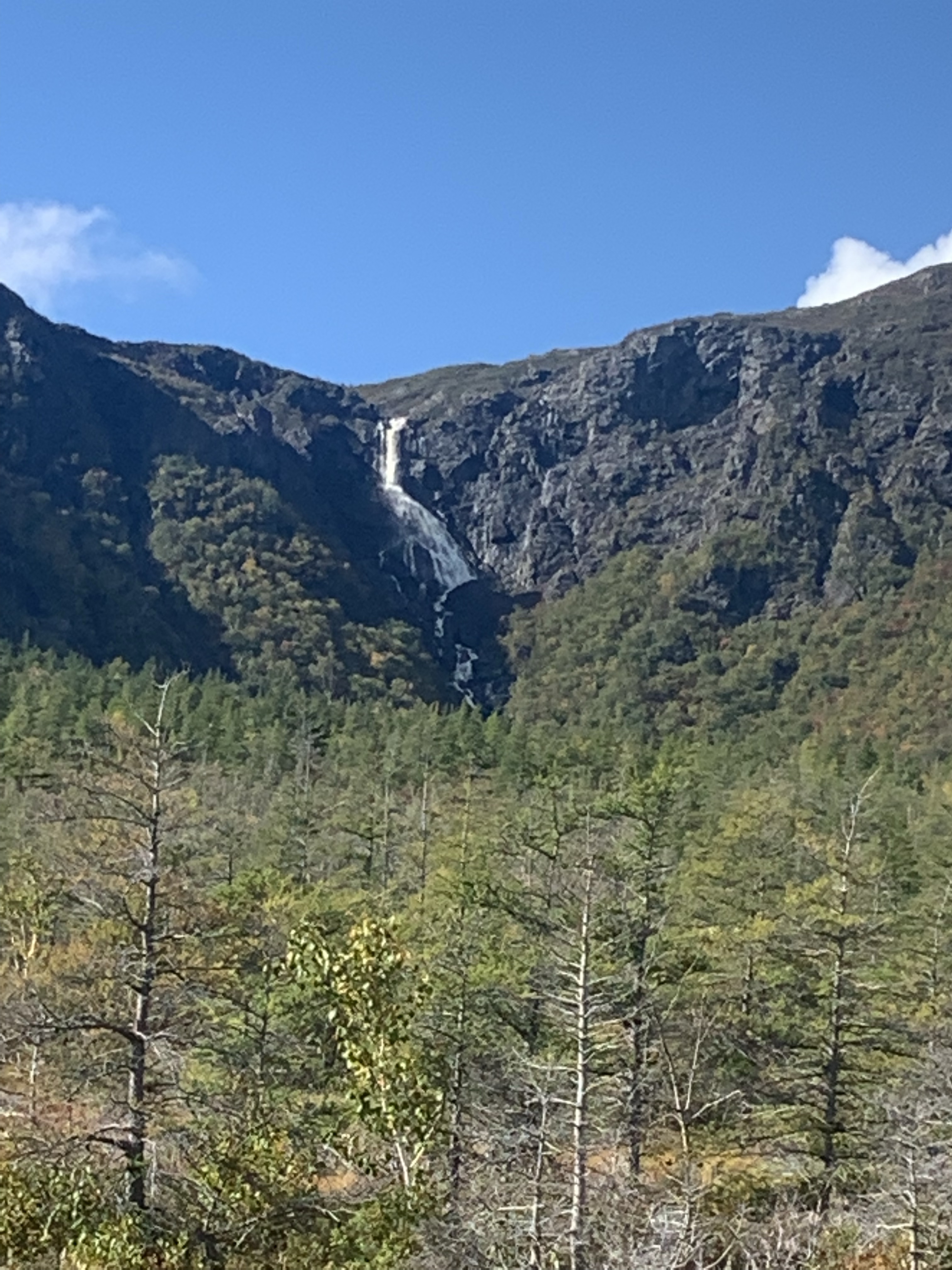
We signed up for the 2-hour boat tour of Western Brook Pond, as everyone we spoke to about Gros Morn said is was a must see. We were not disappointed as this largest lake in the park feel more like Norway than Newfoundland. The Fiord slices through the plateaus that tower over the park, and as you sail up the fiord you see many spectacular waterfalls falling from lakes high up on the plateau. There is a 45 minute hike in to catch the boat and just as we arrived, the rain began to fall. It began as a drizzle, so we chose to take a seat on the uncovered top deck, but not long after we pushed away from the dock, the rain picked up and the wind began to howl. We were not alone on the top deck as many other travellers decided to brave the elements, which forced the tour guide to join us to provide the commentary for our voyage. Even with the blustery weather the voyage was amazing, with waterfalls a plenty, with the largest being Pissing Mare Falls, which falls 1,150 feet. The upper plateau towers over 2000 feet above the lake with sheer walls making the lake look imposing to say the least. When we reached the end of the lake, the boat stopped momentarily to drop off some hikers who were setting off on a multi day back country camping trip. There are various wild camping spots on the way up and on the plateau, where many iconic pictures used in Newfoundland tourist ads were taken. The shots taken from the top of the plateau looking down on the lake would be reminiscent of the Norway fiords. The wind died and the rained abated for our return trip, improving both the visibility and our spirits. The temperatures were relatively mild, so we went to the front of the boat and let the breeze dry our clothes.
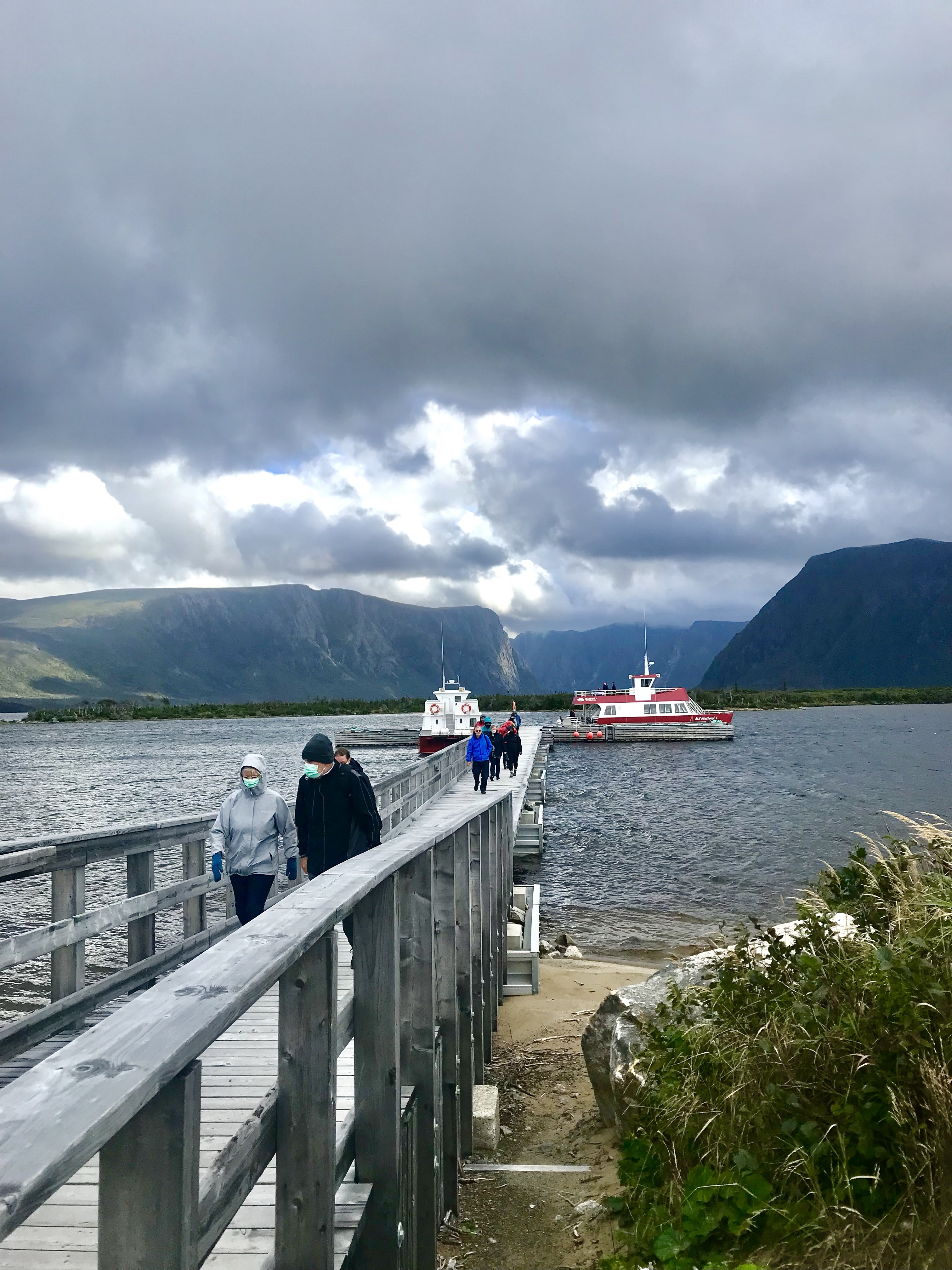


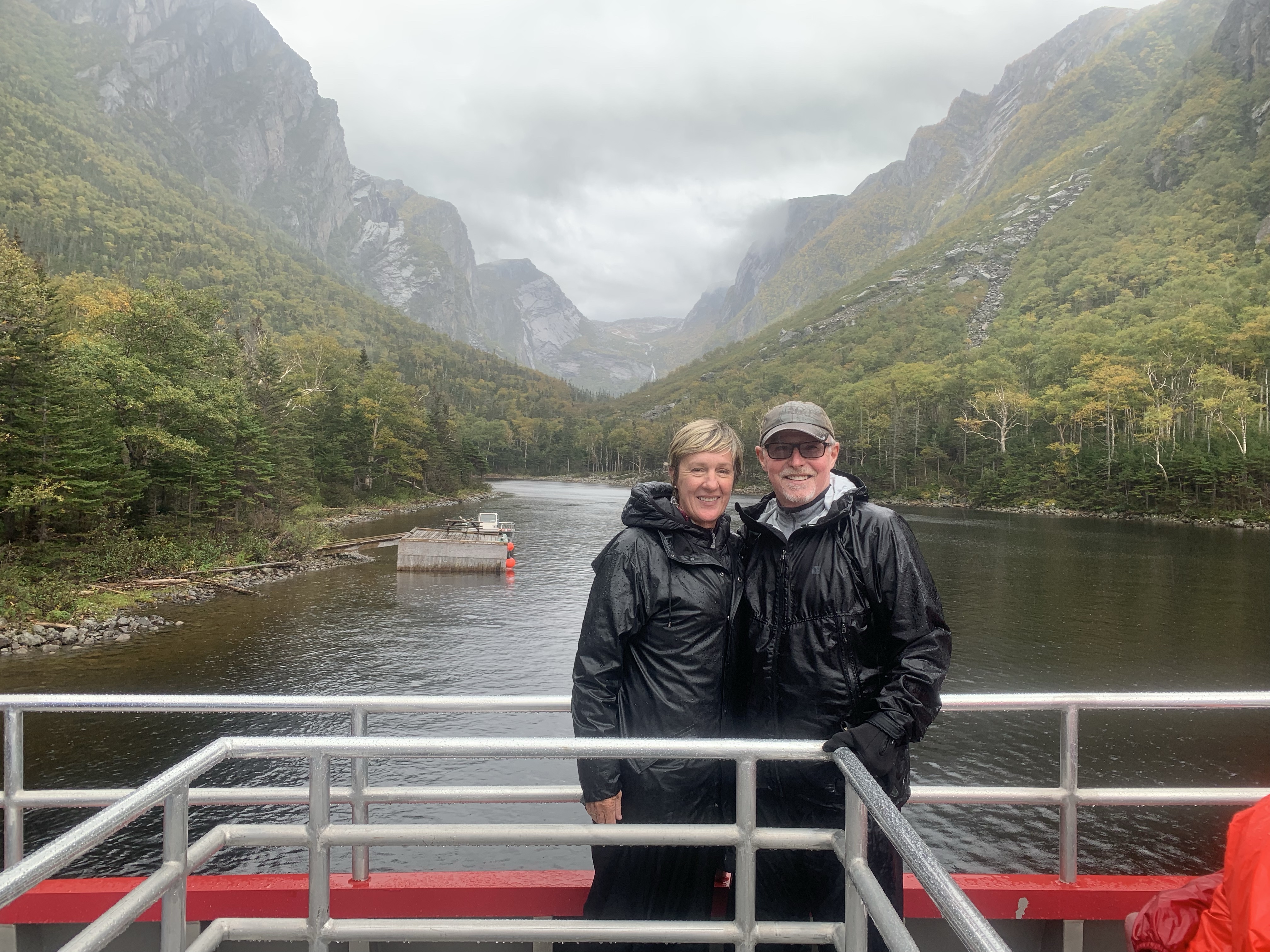
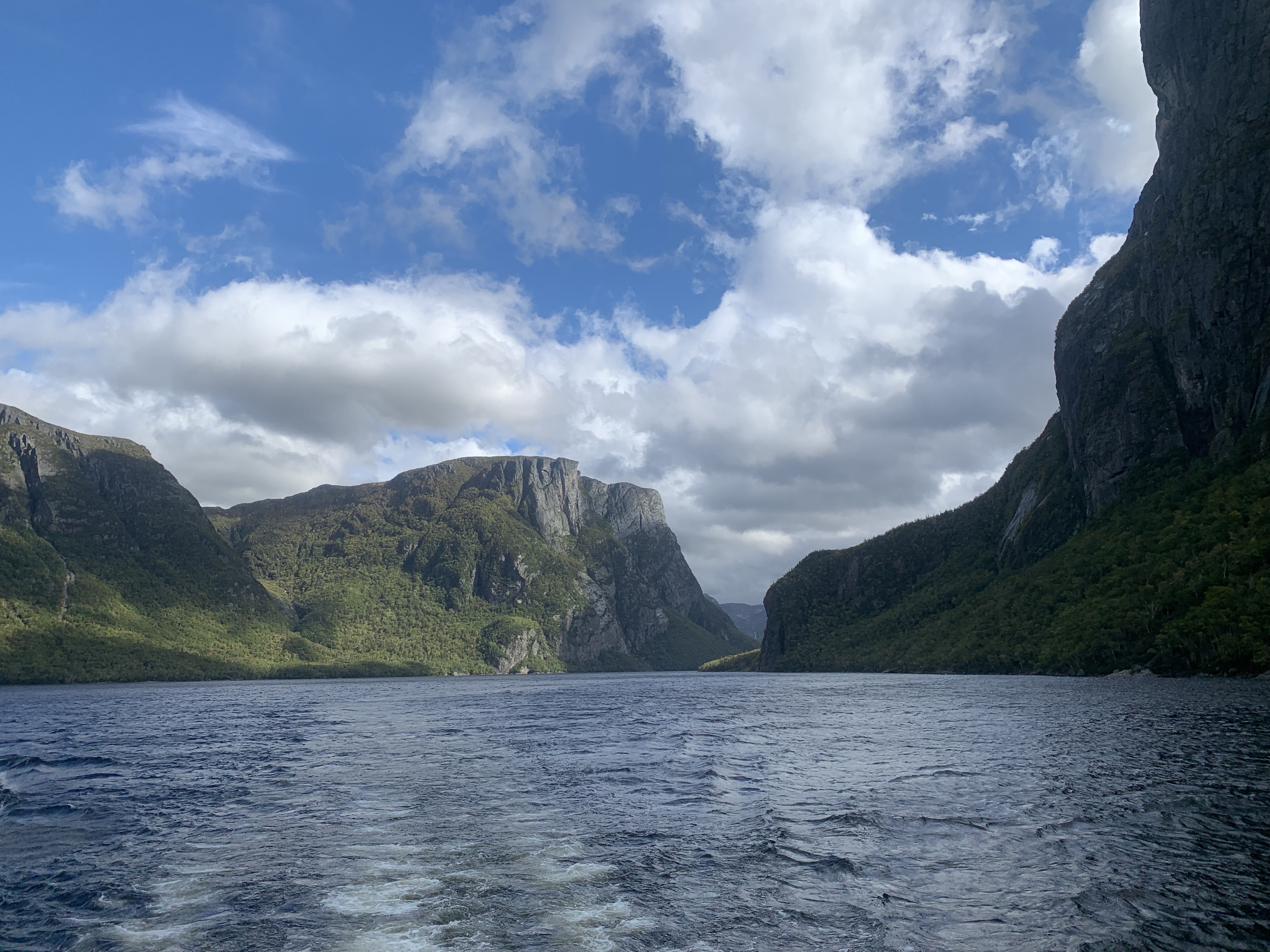
The Fiord of Western Brooke Pond
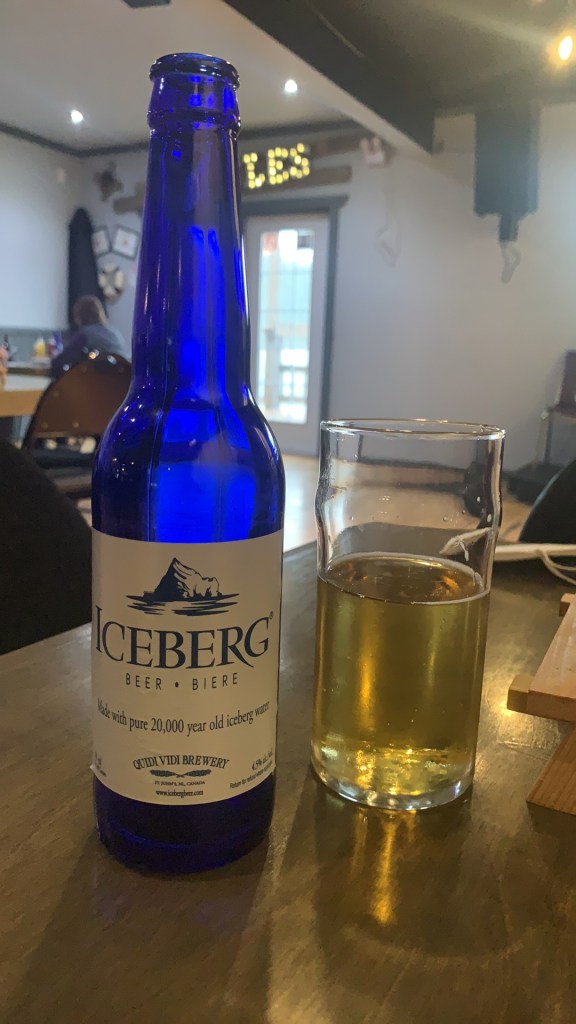
Later that night we decided to settle into a campsite in Rocky Harbor because we heard about an inn advertising a kitchen party, something we had been dying to see, plus it was our 30th anniversary. The tradition of a kitchen party evolved from the small harbour communities, where little musical entertainment was available, so they invited their friends and family over and made their own. Songs are sung, stories are told, and dancing ensues, and everyone joins in with whatever musical instruments are available. If there were none, they made their own, spoons, walking sticks adorned with beer caps as makeshift tambourines the list goes on. Some of the other customers joined in the fun, singing, and telling stories. We had a ball singing along to the songs and dancing with the other customers, it was an awesome way to spend our anniversary.
Before leaving Gros Morn, we stayed one more night in Lomond, a campsite at the south end of the park. This gave us access to a few more cool hiking trails, but we were just about hiked out and the weather was turning, so we decided to bid farewell to Gros Morn and begin heading in the direction of our departing ferry.


Southwest Coast
We were now in the habit of taking each day as it came, no hard plans, no advance reservations. The west coast was littered with cool little harbour towns out on the remaining unexplored peninsula’s south of Gros Morn, so we decided to meander along the zigzag coastline, beginning in Cornerbrook.
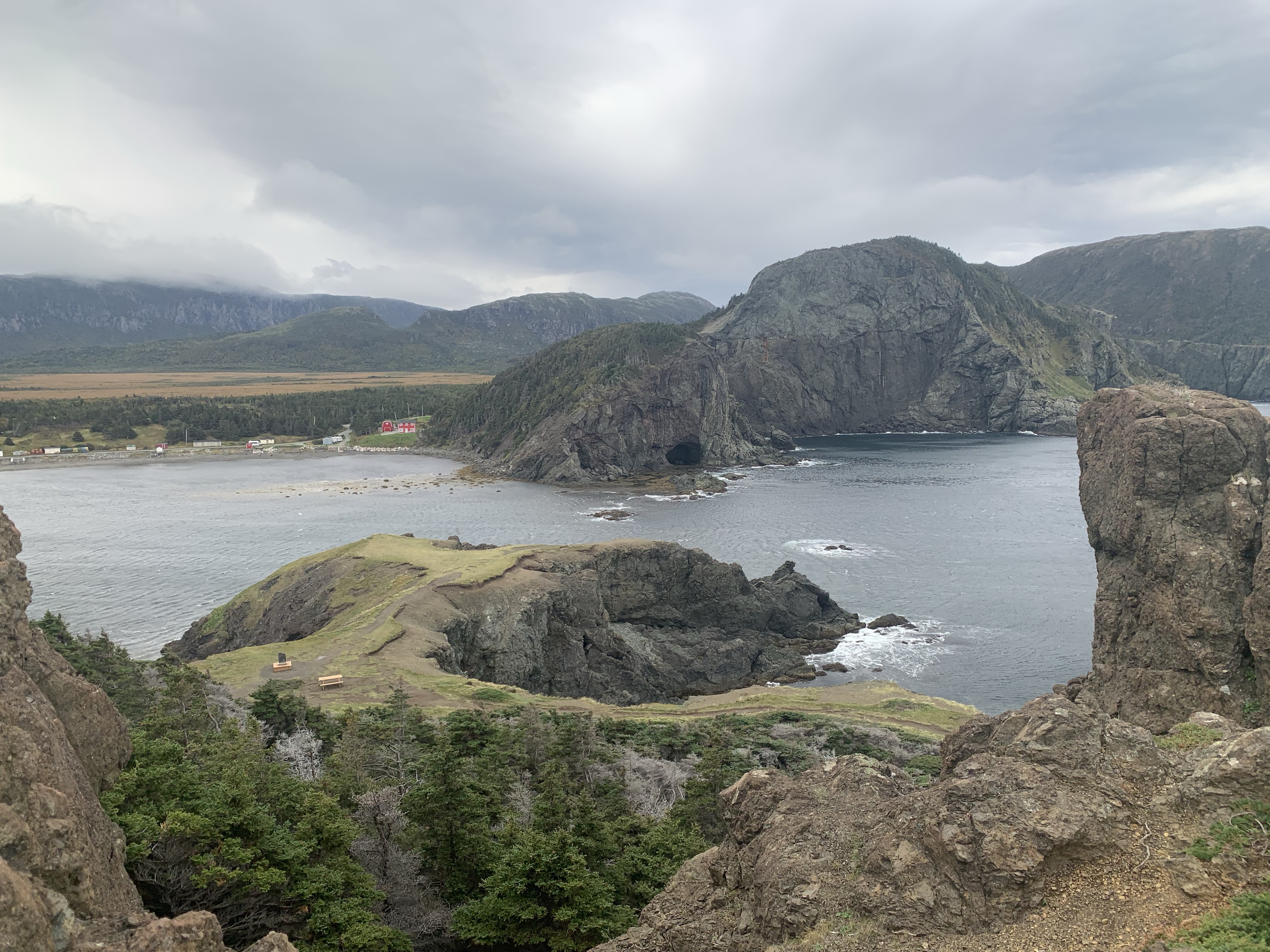


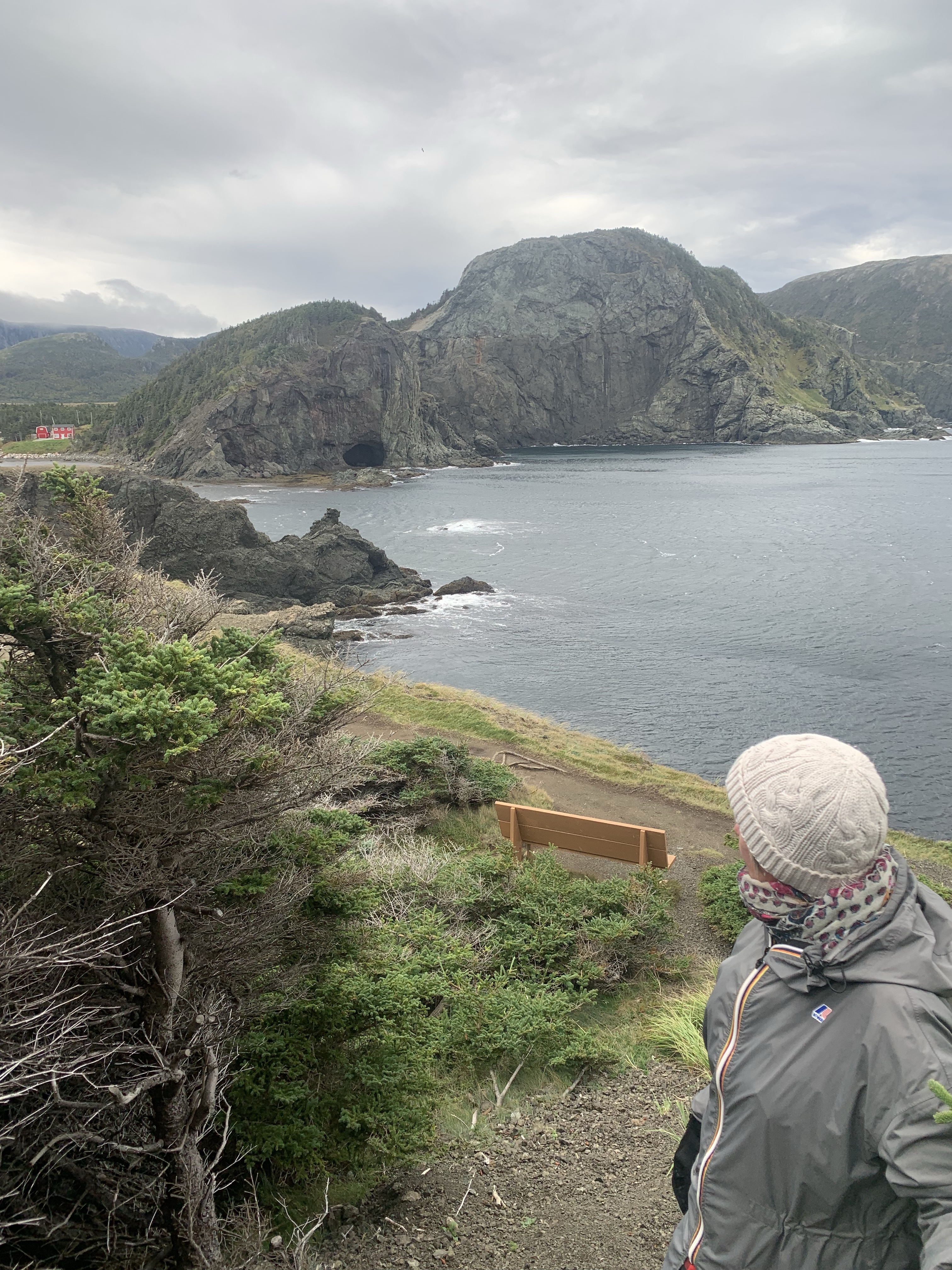

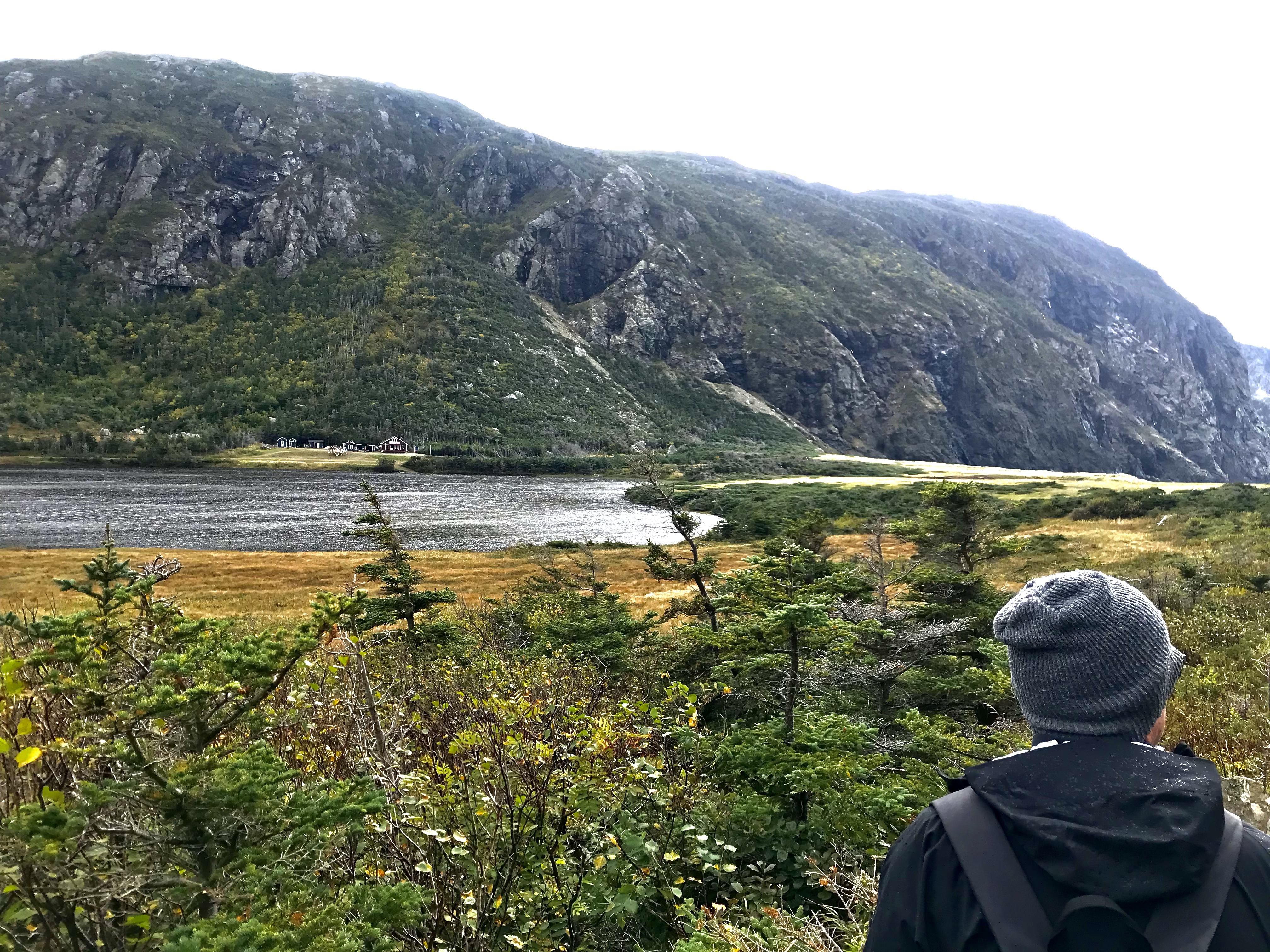

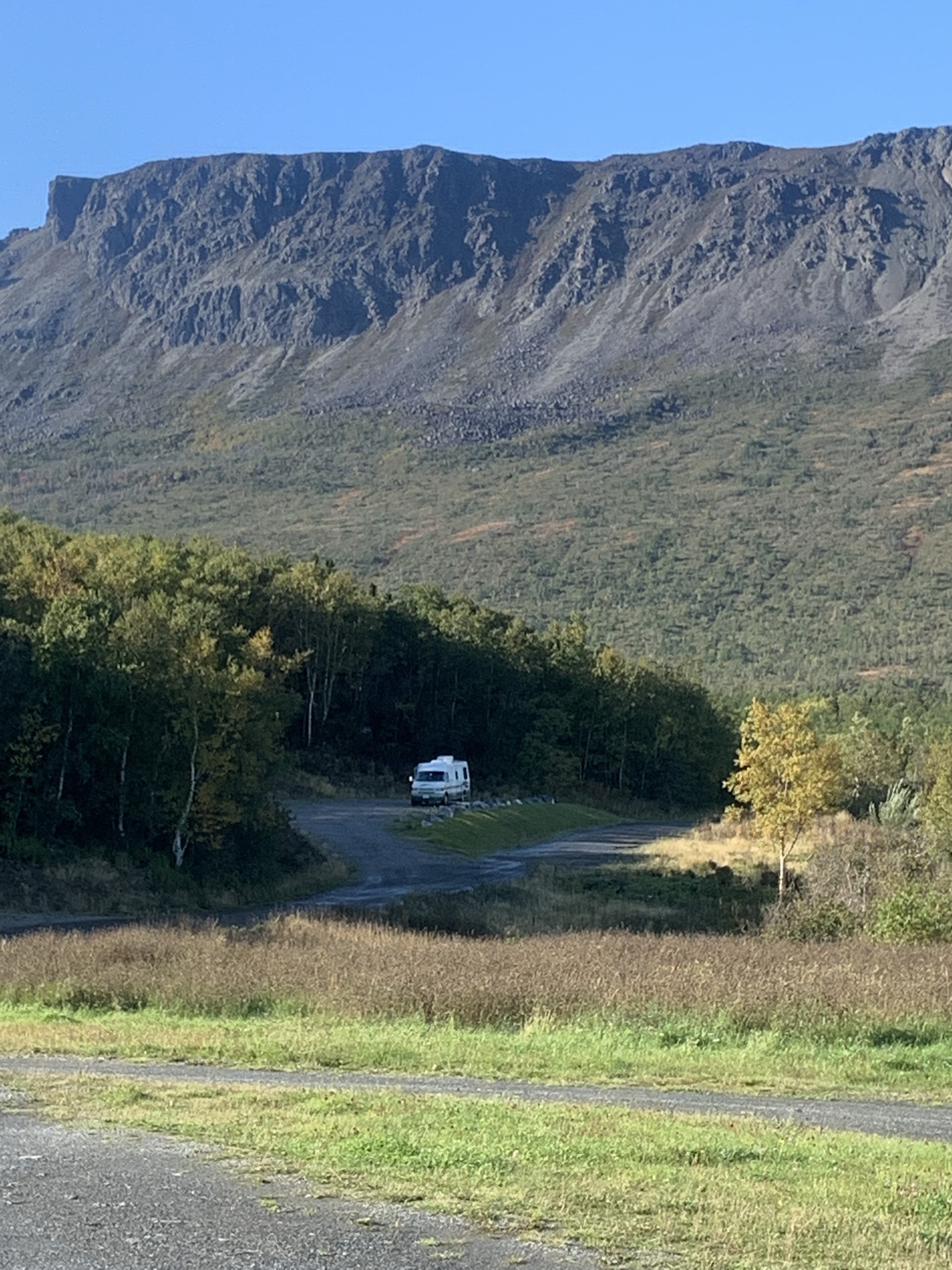
Cornerbrook itself was unremarkable but we an ideal spot to stock up on necessities, propane, groceries, wine and near beer and we did laundry. We spent 4 nights exploring small harbours with cool names like Blow me Down, Bottle Cove Humber Arm, lark harbour, Lourdes, Black Duck Brook Cape. We visited every lighthouse and cape left to discover and walked every spit of land, reaching the western most point of land in Newfoundland at Cape St. George. There was a provincial campsite that was closed for the season, but open to wild camp. We almost stayed but the cliffside spot I chose was a little to precariously perched near the edge for Heidi’s liking so we wild camped next to the ocean along the way. We drove through the Codroy valley, that is the French settlement on the west coast and like most of Newfoundland was both picturesque and welcoming. For our last day and night, we stayed in a closed provincial campsite just north of Port aux Basque called JT Cheeseman. We hiked for our last time in Newfoundland through the remarkable countryside down to a beautiful sandy beach where we had lunch. On the return hike we agreed we had experienced the finest Newfoundland had to offer. If we ever return, it would be in the summer months when the festivals were happening and lobster dinner easier to find. Anyone who knows us also knows we are experienced and frequent travelers, and we can say without hesitation that the people of Newfoundland are the warmest friendliest people we have ever met.


 Bellissimo Travels
It’s about time.
LikeLike
Great post! I have only skimmed and will read again for more smiles & fuzzy feelings.
Safe travels!
All the best, Bill
On Wed, Oct 27, 2021 at 6:59 AM Bellissimo Travels wrote:
> Art & Heidi Bellis posted: ” We departed Ottawa in poring rain, and it got > worse as we ventured east into Quebec. The tail end of Hurricane Ida was > dropping biblical amounts of rain on “le belle province”, so we skipped > right through to New Brunswick in a day. Now that we had arrive” >
LikeLike
Wonderful accounting of your ongoing travels, suitable for eventual publishing as a tour guide to ‘Exploring the trails and harbours of Newfoundland’ 😁
Thank you for sharing your experience’s and great photos! Amazing trip so far, with more sights to see!
LikeLike
What s fantastic adventure the 2of U are doing. Love all the pic’s lots of great scenery. Read your travel blog👍😊
LikeLike
I love reading about your journey and adventures, and marvel at all those cliff edges and high places you are brave enough to go!I crept up the bleachers in the Orpheum to sing Mozart and that was already too high for me. Hope New Brunswick and New England have some flat places, and more adventures!Safe journey and beaucoup fun,Joanna
LikeLike
Hi! What a fabulous trip! I enjoy reading about your adventures and look forward to more! Wishing you continued fun health and safety! Silvia🤗🚎
Sent from the iPhone of Silvia Buchan
>
LikeLike
OH MY< OH MY< OH MY….I enjoyed every minute of your trip. I was right there with you….well maybe not on those steep climbs and breath taking drop offs. Heidi, I am so impressed and proud of you. Art, how lucky to have a wonderful wife so willing to participate in the adventures. Even if uncomfortable at times. Keep up the travels on roads less traveled. Waiting for the next phase.
Joyce
LikeLike
Dear Heidi & Art. Thanks for sharing these amazing stories and photos. We had no idea there were so many scenic , wild places along our East coast. My mom was a Haligonian so I have an affinity for that part of the world. So far Ihave explored the Cabot Trail but your voyage has inspired us to consider a more serious exploration. For now we are focusing on getting this house glued together. Last week they hauled the 50 ft. Glulam beams up onto the roof in howling winds and rains. I thought we might lose a few workmen but thankfully its done and our roof is in place and sealed. Planning a quit Xmas : four days in Seattle visiting friends we haven’t seen in 2 years and then a few days in Vancouver. I suspect you’re heading over the border as of Nov. 8? Deb &Don
LikeLike
Hello Art and Heidi, thank you for sharing your journey and adventures. Looking at your pictures and stories of the places in Newfoundland have sparked an interest in visiting the province now. I brought up Google Maps and looked at your travels – wow you really did explore a lot of what NF has to offer. Looking forward to reading the next adventure. Travel safe you two!
LikeLike